Skip to content
City PM
  • Germany
  • France
  • Europe
  • Markets
  • Business
  • Opinion
  • Germany
  • France
  • Europe
  • Markets
  • Business
  • Opinion
Thursday 20 November 2014 8:57 pm  |  Updated:  Friday 07 June 2019 5:33 pm

EU beats UK in bonus cap legal battle

By: Tim Wallace

Add as a preferred source on Google

Britain’s standing in the EU is lower than ever, and the UK yesterday admitted defeat in the latest spat. Should Britain ever have challenged the bonus cap?

The Bank of England thinks the bank bonus cap does more harm than good.

British institutions such as Barclays took a pummeling in the US when they cut bonuses, losing staff to rivals.

And lawyers and economists around the world saw the potential damage the EU’s limits on bankers’ pay could do to the financial sector, and Europe’s wider economy.

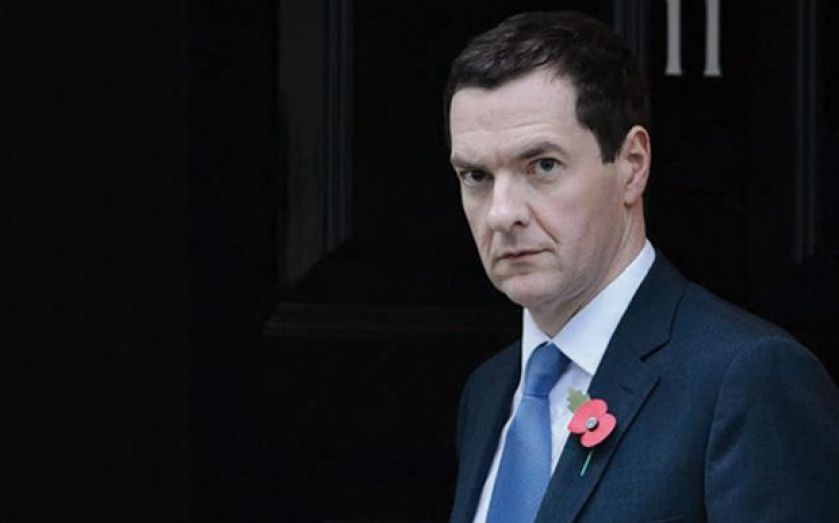
But when the EU’s top lawyer spoke out against Britain’s challenge to the cap, it was George Osborne who took the flak. He conceded defeat last night.

“While working people face a cost-of-living crisis and lending to business is falling, it’s astonishing that George Osborne’s priority has been to spend taxpayers’ money, fighting a cap on bankers’ bonuses,” crowed Labour’s Cathy Jamieson.

She again promised to tax bonuses – though there will be far less to tax, thanks to the cap.

The EU cap limits bonuses at the same size as a banker’s salary, or double the salary if shareholders agree.

Osborne said it would result in higher fixed pay, which is harder to claw back when something goes wrong, and makes banks’ finances less flexible.

Indeed, most big lenders have already started giving out so-called fixed allowances – awards of cash or shares on a monthly or quarterly basis, which can be altered more easily than salaries.

They are designed to avoid the bonus cap, by topping up fixed pay. These are the next battleground – the European Banking Auth­ority has come out against them, as they undermine the spirit of the cap.

But the Bank of England, which polices the rules, has given them a reluctant thumbs up as the least-worst option. It is a bloody and prolonged battle, with nobody coming out well.

Should Osborne have taken the banks’ case to the EU?

Campaign group TheCityUK says yes.

“These rules apply to UK banks re­gardless of where they do business in the world. Competitors can offer pay packages unhindered by these restrictions and can therefore be more competitive,” said its boss Chris Cummings.

And the British Bankers’ Association pushed for a firm stance: “This law runs counter to recent reforms and will make the system less robust by incentivising firms to increase fixed pay.”

The Institute of Directors (IoD) said it showed the wider damage being done to the finance sector by EU rules. Britain has lost other legal cases, including on the financial transactions tax and the powers to ban short-selling.

“If the UK loses all of its test cases on the recent spate of legislation pertaining to the financial sector, the implications for how our influence in the EU can be measured are significant,” said the IoD’s head of Europe Allie Renison.

Share this article

  • Facebook
  • X
  • LinkedIn
  • WhatsApp
  • Email

Similarly tagged content:

Sections

  • News

Categories

  • Business

Related Topics

  • City bonuses
  • employment and wages
  • UK jobs

Trending Articles

  • Top Burnham adviser calls for capital gains and inheritance tax hikes

  • A meeting with the breakfast king of Mayfair

  • Housebuilding giants hit with £4.5bn lawsuit for allegedly overcharging buyers

  • As it happened: Stocks jump on defence and metals boost; Oil on track to shed a fifth on US-Iran peace hopes

  • BT tops FTSE 100 after finding new home for international business with Verizon joint venture

More from City PM

  • The Bank of England is keeping Britain in the waiting room

    Opinion
    Andrew Bailey, Bank of England governor, discusses economic policy during a press conference at the central bank headquart...
  • A decade after Brexit, what does the City want next?

    Banking
    European Business Alliance meeting discussing economic growth strategies, with diverse leaders engaging in a roundtable di...
  • Treasury confirms scrapping of Lifetime ISA but industry questions remain

    Personal Finance
    The price paid for first homes has surged 7.1 per cent in a year
  • Tories target £1bn benefits loophole in welfare crackdown

    Politics
    Conservative Party leader Kemi Badenoch is preferred as Prime Minister to Keir Starmer. Photo: PA
  • Small cap tech firm quits LSE to cut costs in latest market blow

    Markets
    Canada skyline featuring iconic skyscrapers and modern architecture against a clear blue sky
  • City analysts brand SNP food price cap ‘hair brained’ 

    Retail
    Former SNP leader Nicola Sturgeon has said results for the SNP, now led by John Swinney, were worse than expected in the exit poll
  • Bank of England waters down stablecoin rules after industry backlash

    Regulation
    Bank of England deputy governor Breeden discusses economic policies during a press conference
  • Time to Aim higher: ‘No visible effect’ of flagship pensions overhaul a year on, industry chief warns

    Investing
    Mansion House meeting of pension fund leaders discussing investment strategies and financial accords in a grand boardroom ...

City PM — European politics, business and analysis.

Europe

  • Germany
  • France
  • Europe
  • UK & Ireland

Topics

  • Business
  • Markets
  • AI
  • Technology
  • Opinion
  • Energy

More

  • Politics
  • Economics
  • Fintech
  • Legal
  • Sport
  • Life

Company

  • About City PM
  • Editorial Policy
  • Corrections
  • Contact
  • Terms of Use
  • Privacy Policy
  • Cookie Policy
© 2026 City PM · Published by CityPM Media, Bahnhofstrasse 65, 8001 Zürich, Switzerland
About · Editorial Policy · Corrections · Contact · Privacy