
| Updated:
How long would it take Europe’s minimum wage employees to buy a Big Mac?

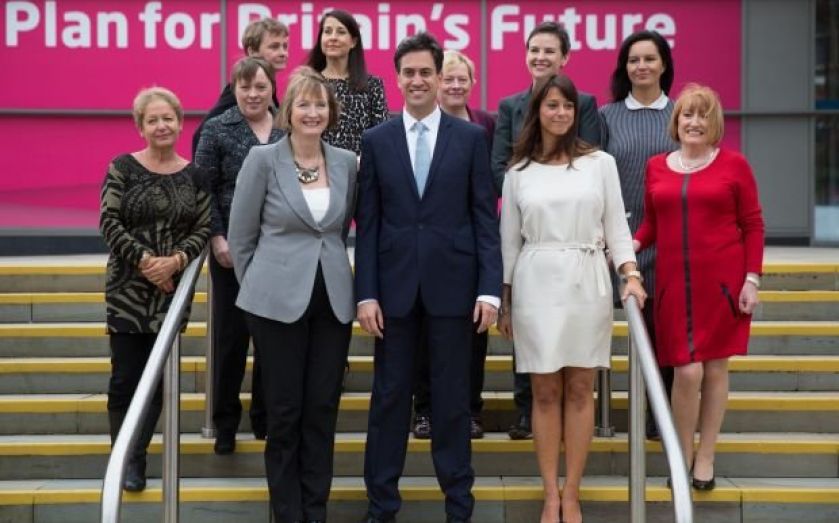
Ed Miliband has announced that a Labour government would raise the minimum wage to £8.00 by 2020 if it came to power.
The current lower bound is £6.31, which will increase to £6.50 on 1 October, so the proposed hike would be a dramatic increase.
If the bank of England were to average its inflation target of 2 per cent, and the minimum wage were to rise with inflation, it would sit at £7.18 at the beginning of 2020 and wouldn’t pass £8.00 until 2026.

The increase, then is substantial. But how does the UK compare to other nations? Eurostat, the body that collects data about EU28 members, has a list of countries by minimum wage.
Here is how the UK compares:

So we are slightly above mid table at the moment, behind Germany France and Ireland. Even if we took our 1 October figure and compared it to last-year’s figures from other countries, we wouldn’t move up the league.
Of course, a minimum wage means little out of context.
Consumer price index inflation is one measure of the cost of living, and the UK has higher inflation (1.5 per cent) than the EU average of 0.4 per cent. The minimum wage would have to rise in line with inflation to make sure there was no wage gap.
A possibly more interesting measure is the Big Mac index. The Economist uses the measure, a comparison of the cost of a Big Mac in a list of nations, to look at the true value of a currency compared to the dollar.
We can use it to compare the cost of living across countries. It isn’t exhaustive enough to be conclusive, of course.
Here is a list of how long it a person on minimum wage would have to work to buy a Big Mac in each of the countries on the Eurostat list (except, regrettably, Luxembourg for which the Economist has no burger data).

As we can see, without Luxembourg, Miliband’s new wage would put the UK top of the pile, 20 seconds ahead of the Netherlands. That means, in context, it is a generous plan indeed.
Businesses and many economists believe a rise in the minimum wage will discourage companies to take on more staff and increase the number of people on zero-hour contracts.
Responding to Labour’s plans to raise the minimum wage to £8.00 per hour by the end of the next parliament, Simon Walker, Director General of the Institute Of Directors (IoD), said that the vast majority of IoD members already pay the higher ‘Living Wage’, but suggested that decisions on the minimum wage must be taken by the independent Low Pay Commission:
Thanks to the strength of the recovery in some quarters, there are now plenty of businesses who can afford, over time, to meet this sort of wage rise without seeing a negative impact on job creation. But it must be remembered that not all companies have recovered from the recession at the same pace, with many still struggling to regain lost productivity.
Journalist John Rentoul was less diplomatic:
https://twitter.com/JohnRentoul/status/513624740473606145