Skip to content
City PM
  • Germany
  • France
  • Europe
  • Markets
  • Business
  • Opinion
  • Germany
  • France
  • Europe
  • Markets
  • Business
  • Opinion
Monday 03 February 2025 3:44 pm  |  Updated:  Monday 03 February 2025 3:45 pm

Does Scotland actually want to ban cats?

By: Anna Moloney

Deputy Comment and Features Editor

Add as a preferred source on Google
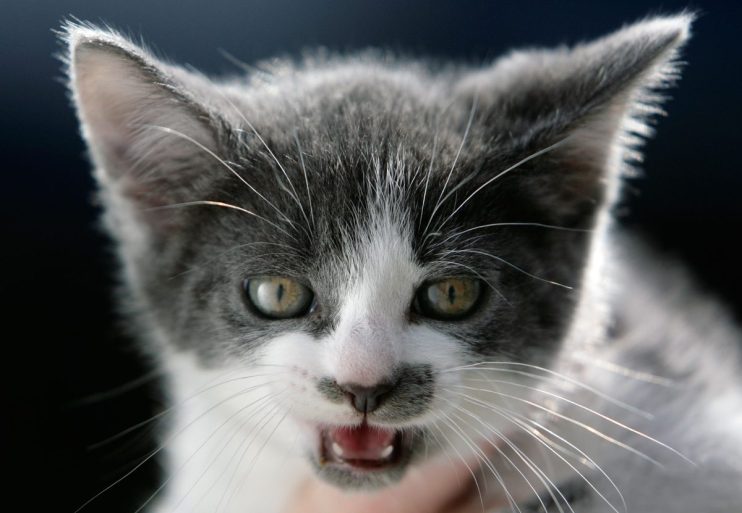
BIRMINGHAM, UNITED KINGDOM - APRIL 04: 'Boggles' a stray kitten is one of the lucky animals at the Barnes Hill RSPCA Animal Rescue Centre, who has been found a caring home on April 4, 2007 in Birmingham, England. The Animal Welfare Act becomes law on Friday is being highlighted by the RSPCA. The act imposes a duty of care for pets and animals on owners and includes fines of up to GBP20,000 and jail terms of up to a year for cruelty. The new law includes making sure that animals are fed, housed and protected from pain, suffering, injury and disease. (Photo by Christopher Furlong/Getty Images)

A report published by the Scottish Animal Welfare Commission (SAWC) about cat ownership has produced a flurry of headlines over an alleged “cat ban” (a purrge, perhaps) in Scotland. 

Those headlines are not quite true – the SNP are not banning cats – but they are looking at ways to promote “responsible cat ownership” due to increasing worries about the impact of specifically outdoor domestic cats on the environment. 

Why are cats a problem?

In particular, they’re concerned about birds, the natural nemesis of free-roaming kitties.

“Not my Mittens,” you may very well think, but with an average kill count of 22 per cat, the UK moggie population is estimated to be responsible for around 27m bird deaths annually, posing potential risks to biodiversity.

Cat containment areas (zones where cats are not allowed to roam freely) or kitty curfews (bans on cats outdoor at night) are among the suggestions being put forward to combat the problem.

The global movement curbing cats’ rights

But this isn’t simply a product of sparrow-loving Scots, with opposition to outdoor cats having gained momentum elsewhere in the world in recent years. In Australia, for example, cat containment areas are utilised in Melbourne and Canberra to protect local wildlife, with owners facing fines if their cats are spotted outside without a lead.

In the US, the shift has been more organic (and cat-first), with more Americans choosing to own indoor cats rather than outdoor ones due to concern over their own cats’ safety. 

Brits, meanwhile, have been slower to make the change, following the European preference for free movement (the EU explicitly defended the “free movement rights” of cats in 2019), as well as the advice of many cat protection groups, which advocate for the benefits of free-roaming.

Are there other ways to save the birds?

Fortunately, there’s compromise to be found. Making cats wear colourful bibs (arguably a risk of causing more human deaths) can help birds evade their killer paws, while playing with cats for 10 minutes a day can also soften their killer instincts. But if that’s all too new-age, Amsterdam, faced with a similar problem, reverted to a more traditional measure: bells on collars. 

Read more

Never forget the undeniable moral case for capitalism

Canary Wharf skyline featuring modern high-rise buildings under a clear sky, highlighting Londons financial district.

Share this article

  • Facebook
  • X
  • LinkedIn
  • WhatsApp
  • Email

Similarly tagged content:

Sections

  • Opinion

Categories

  • Opinion

People & Organisations

  • Biodiversity
  • cats
  • Scotland
  • SNP
  • wildlife

Trending Articles

  • Revealed: Secret Treasury plan to tax State Pension before it is paid out

  • Two solicitors linked to Post Office scandal charged with misconduct

  • Burnham’s new chief of staff ran City firm advising Thames Water and rival Heathrow bidder

  • Barclays and Lloyds join banking sector plan for digital ID

  • Reeves’ new tax charge on cash ISAs faces fierce industry backlash

More from City PM

  • Never forget the undeniable moral case for capitalism

    Economics
    Canary Wharf skyline featuring modern high-rise buildings under a clear sky, highlighting Londons financial district.
  • How The Macallan mastered the long game

    Whisky
    Macallan whisky building exterior showcasing modern architecture and scenic landscape, highlighting premier whisky craftsm...
  • Millions left unclaimed as public awareness gap exposes flaws in class actions

    Legal
    SWR was previously owned by FirstGroup and MTR Corporation, but is now the responsibility of DfT (Department for Transport) Operator. (A South Western train arrives at Clapham Junction. Photo by Jack Taylor/Getty Images)
  • Regulator wins decade-long pricing tussle with Pfizer

    Legal
    Hikma reported a jump in profit for 2024
  • Italy to Mount a winning challenge in the Hampton Court

    Sport
    GettyImages 2154472090 depicting a significant event in the news, highlighting key elements relevant to the article context.
  • Brits urged to back UK pubs during World Cup amid booking surge

    Sport Business
    Getty Images logo on a smartphone screen against a blurred background, representing media and stock photo industry branding.
  • Government to take on big tech in bid to boost British news

    Tech
    Breaking news headline image related to a general news article on a business website with no specific tags or categories

City PM — European politics, business and analysis.

Europe

  • Germany
  • France
  • Europe
  • UK & Ireland

Topics

  • Business
  • Markets
  • AI
  • Technology
  • Opinion
  • Energy

More

  • Politics
  • Economics
  • Fintech
  • Legal
  • Sport
  • Life

Company

  • About City PM
  • Contact
  • Terms of Use
  • Privacy Policy
  • Cookie Policy
© 2026 City PM. All rights reserved.
About · Contact · Terms · Privacy