
Corporate Pride, where art thou gone?

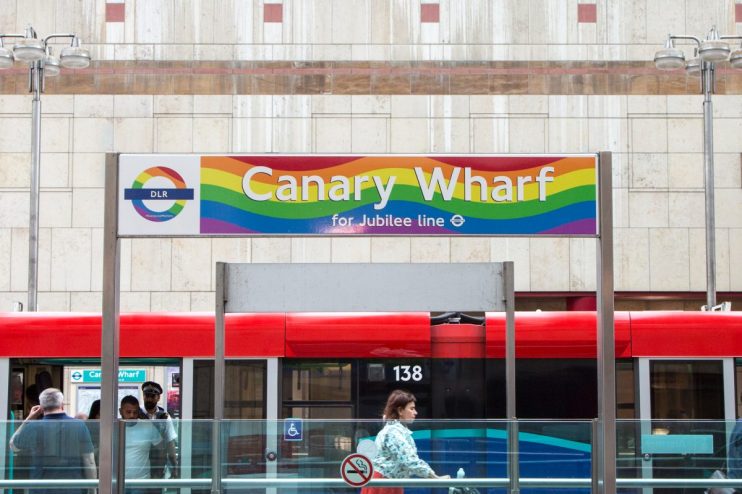
Sure, Corporate Pride was far from perfect, but I’d take the rainbow lanyards over silence, writes Geraldine Gallacher
This Pride Month feels quieter than usual. There are fewer Linkedin posts, fewer flags and fewer leaders willing to put their names behind the cause.
Numbers back the feeling. According to the UK Pride Organisers Network, three quarters of Pride events have reported a decline in sponsorship. One in four say revenue has fallen by 50 per cent since last year, the steepest drop on record. Some smaller Pride marches have even been cancelled.
This squares with what I have heard first-hand in my network since the beginning of the year. From law to financial services, US-headquartered firms especially have pushed back on initiatives favouring a specific demographic. While this has not spread to all businesses, there is certainly a greater reticence to outwardly support high-visibility initiatives such as Pride, even where there is a commitment to keep internal programmes running.
For those who remember when being openly gay could derail a career, the rise of corporate involvement with Pride marked remarkable progress. Imperfect for some but powerful for many, it signalled that workplaces could be places where people truly belong.
So, when that signal fades in a year of DEI backsliding, it prompts a reasonable question: what does that silence mean?
Pride rollback shows support was always conditional
The answer isn’t about the outward signals of branding or PR. It’s about the message it sends about trust.
Corporate Pride campaigns have never been perfect. The rainbow lanyards and logos have sometimes felt performative. But the visible manifestations of Pride matter, especially to people watching closely. They give early-career professionals reassurance that organisations understand them. They remind others that leadership acknowledges structural inclusion, not just individual tolerance.
As companies step back from Pride, whether due to fear of backlash, shifting political winds or internal debate, this “Pridehushing” – the quiet dialling down of public-facing support – sends a message that inclusion might be conditional.
That should concern leaders. For reputational reasons, of course, but also for what it implies about their long-term commitment. Because when inclusion is challenged more directly, it’s the groundwork already laid in the culture of an organisation that will matter. And silence doesn’t build that foundation.
In recent weeks, I’ve spoken with LGBTQ+ professionals who aren’t questioning logos, they’re questioning leadership: if support is this easily withdrawn, what happens when support is really needed?
Why visibility matters
Their fear is real, as is the logic behind the other questions that stem from this. If companies retreat from visible support so easily, what happens when workplace inclusion faces further direct challenges? What other business decisions might change? When individual employees face discrimination or harassment, is the organisation really going to stand behind them?
Whether your organisation is doing less publicly this year or not, these are the questions you must be ready to answer. The only way to do that is by ensuring your leaders are stepping forward in ways that count, embedding safety and inclusion in your day-to-day culture, not just during Pride.
Whether it is for LGBTQ+ colleagues or others, this is something that cannot be left to chance. Managers must be equipped to lead in ways that build genuine inclusion into daily culture, supporting systems and behaviours that sustain equity, not just signalling it.
For individuals and organisations alike, developing that kind of leadership is the most important action that builds resilience. When inclusion becomes part of how people lead, it is less vulnerable to shifts in public discourse and less reliant on how brands communicate.
What Pride continues to teach us is that visibility, when backed by action, creates change. If the public symbols recede, it’s up to leaders to ensure the commitment to inclusion doesn’t fade with them.
Geraldine Gallacher is CEO of the Executive Coaching Consultancy