
Coffee and me: For the best black stuff, go back to basics

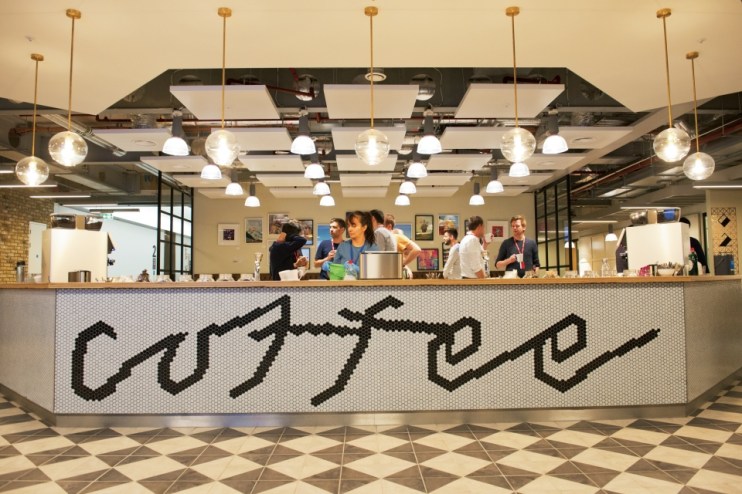
Recently I mused to a friend that if pubs didn’t expand their non-alcoholic offerings, they ran the risk of losing a generation of potential consumers who don’t drink much and for whom the more natural social setting is the coffee shop. It’s not hard to see how this could happen: the bean temples of Starbucks, Prêt à Manger, Costa and others are ubiquitous on the high street, they do not have to contend with licensing restrictions, and they have burrowed their way into the cultural consciousness.
By one count, there are around 26,000 coffee shops in the UK. That’s one for every 2,500 people, which feels like a rather personalised service. Of course they are not evenly distributed, and in any town or city centre they can cluster like galaxies. They also go some way to disprove the free-market thesis that multiple providers lead to choice and competition. Some people will have their favourites but I suspect many go into a chain coffee shop almost without noticing which one it is. What is there to distinguish the mermaid from the star or the three beans?
The English have been drinking coffee for a long time. By 1654 there was a coffee house in Oxford, run by a Syrian Jew and selling roasted beans from Africa; 20 years later there were 3,000 coffee houses in England. It was a huge success, and yet, more than two centuries later, finding a good cup of freshly brewed coffee can be at best a hit-and-miss affair.
Americans—inexplicably but characteristically—like to congratulate themselves for the spread of caffeine lust. As with many claims of American exceptionalism, it contains a grain of truth. I can still remember when granulated instant coffee was the norm, presented, indeed, as a luxurious product (think of the famous series of adverts for Nescafé Gold Blend featuring the heroic work of Anthony Head and Sharon Maugham). It is only in the couple of decades that fresh coffee has predominated.
If we have our American cousins to thank for that (and in the US the reign of the malodorous and foul-tasting drip filter is still powerful), we also hold them responsible for the carnival of sugar which is chalked above counters now. Many mark the waning of the year by the arrival of Starbucks Pumpkin Spice Latte, which throws cinnamon, nutmeg and clove in with the eponymous squash to drown out the taste of the underlying coffee.
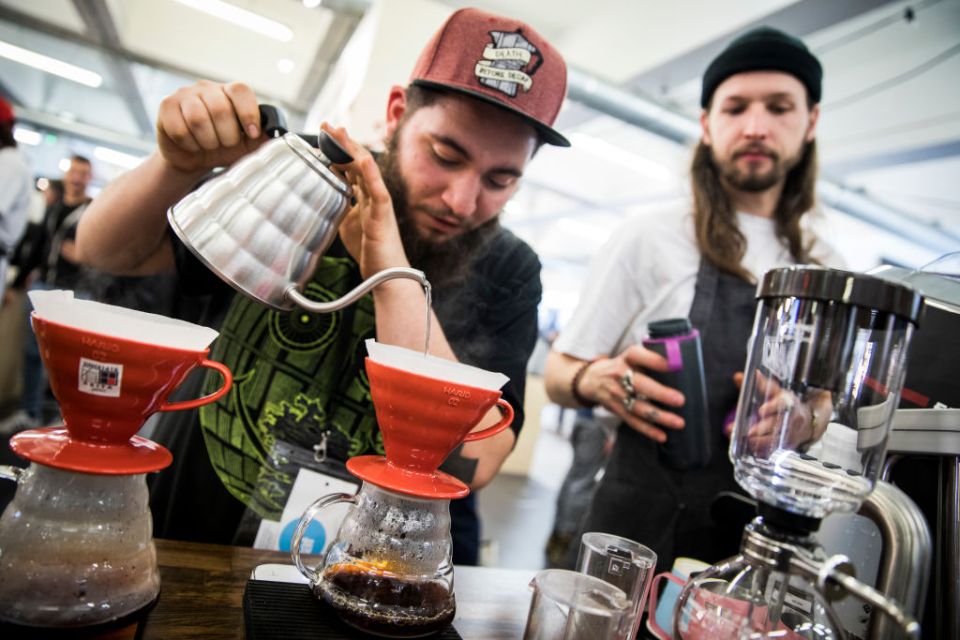
Coffee-flavoured, milk-based drinks may be your thing. That’s fine, though I confess to a reflexive view that they are rather childish. I generally drink my coffee black, for no good original reason save that my parents did, but I will sometimes mix up the day by having a cappuccino or a cortado. But when I think of “having a coffee”, I imagine exactly that: a cup of hot, black brew freshly made from the seeds of the Coffea plant.
For these purposes Starbucks is a bust: their beans are bitter and burnt-tasting, though for a while they tried to insist that supposedly uncultured customers simply didn’t understand the taste of good coffee. It didn’t wash. Prêt is similarly hopeless, though fractionally preferable, and Costa is hard to distinguish too. Bitter and thin.
Of course there are many independent coffee houses and small chains who stress their expertise and the care taken over their products. Italian restaurants are often a good bet, as they have been making espresso—really the basis for most of what we understand as coffee—for decades, certainly since the immediate post-War period.
Here is not the place to list London’s best emporia. All I want to do is to posit the question: why is it so hard? High-quality coffee beans are freely available, and reliable, authentic Italian espresso machines, while expensive for home use, are well within the budget even of a small, family-owned café. Perhaps use filtered water if you seek a particularly fresh and clean taste. How, then, do the great corporations mess it up so badly?
Let us, then, start a small but determined caffeine crusade. As we are reading headlines of Tory sleaze, and Damon Albarn has a new album out, let’s return to the 1990s and go “back to basics”. We want good black coffee, served piping hot, in cups. Milk on the side, sugar if you want it. But I can’t be the only person who just wants a drink that tastes of coffee, can I?