
‘Clock is ticking’ warns energy bodies in call for eased renewable levies and slashed planning rules


Two of the UK’s leading energy bodies have urged the government to introduce investment relief for renewable levies and remove planning obstacles for new projects, or risk jeopardising the UK’s ambitions to vastly ramp up domestic renewable energy generation.
Energy UK and Renewable UK have urged Downing Street to send positive signals to investors ahead of the Budget and the offshore wind allocation rounds later this month.
Adam Berman, Energy UK’s deputy director, told City A.M. that he feared the “the clock is ticking” to offer vital reassurance to the industry and called for investment relief to be included in the electricity generator levy (EGL), a 45 per cent tax on legacy producers of renewables and nuclear power.
He said: “Ensuring that low carbon generation is allowed in investment allowance, in line with what has already been received by oil and gas extraction seems to be a no brainer. It is baffling the government is implicitly sending a signal that investment in oil and gas extraction is preferable to that of the low carbon generation needed to underpin on zero trajectory.”
Alongside investment relief in the new levy on renewable generators, Ana Musat, executive director of policy and engagement at the UK, argued that wind farms also deserved a higher capital allowance to match increased efficiency in power generations.
“Offshore wind farms have improved in efficiency – they have a useful life of over 25 years. This means that now they get a capital allowance of six per cent, which is not very much. So ideally, we’d like to see those wind farms being able to claim at least 18 per cent, if not more,” she explained.
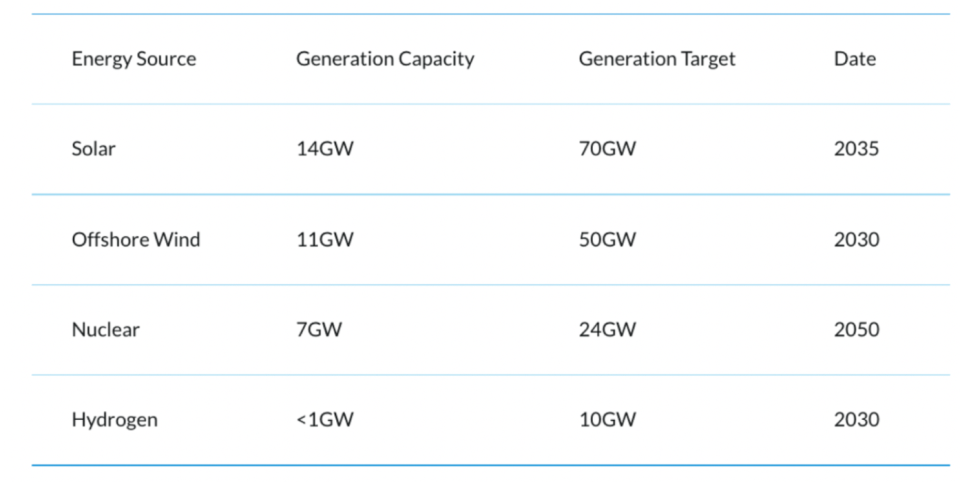
In her view, this would be “quite an immediate signal” the government could send in next week’s Budget without breaking the bank.
Pressures over fiscal policy follow the passing last year of the US Inflation Reduction Act – which commits nearly $400bn of subsidies and tax breaks to green energy projects Stateside – while the EU is also pledging to respond, including through loosening subsidy rules.
Musat labelled the act as an “absolute game changer” which is “targeting the sectors where the UK has a competitive advantage” such as wind and hydrogen storage.
She said: “It looks like we’re going to have two very big trading blocs that are going to put quite a lot of fiscal firepower behind trying to attract investors in renewables in their respective jurisdictions.”
Commenting on a potential response from the government, she said: “Of course, we’re not expecting the equivalent of the act to be announced in next week’s Budget – unless we all get a wonderful surprise. But I think we still need to announce something that is quite significant.”
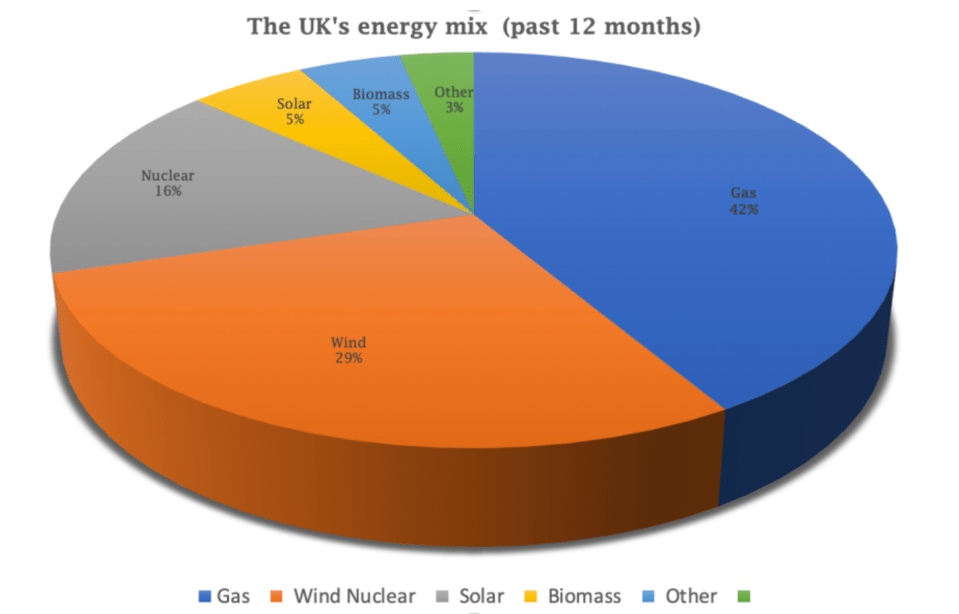
Fail to fix planning, plan to fail
In the face of such vast spending commitments, Musat believed securing the UK’s leading role in wind power could not be accomplished through pledges to throw money at the problem.
She argued a more holistic outlook was needed to reforming the entire development process – such as reforming the planning system, investing in transmission infrastructure, and boosting skilled workers and supply chains.
“The fiscal signals are really important, and we need to look at that, but ultimately, investors in renewables also have to grapple with these really big challenges around planning around supply chain, and around the grid,” she explained.

Alongside the budget, this month will also feature the fifth allocation round for offshore wind projects – known as the contracts for difference scheme – with both industry representatives expecting wind power prices to rise for the first time since the CfD scheme was established.
Berman warned cost pressures were putting the industry under immense pressure from inflation, supply chain costs for key minerals and tight labour markets.
In his view, the government needed to be realistic over prices or there was a real risk of losing out on future projects.
He said: “For that round to be successful, the government will have to recognise that these projects will be costlier to deliver and if those costs are not recognised, the projects will not come forward.”
Renewable bodies must push harder, firm says
The comments from both industry bodies follow a new study from Oxera, shared exclusively with City A.M., that producers will be forced to pay the levy on their losses due to a dramatic rise in the ‘breakeven’ rate for new onshore windfarms.
The current breakeven rate is £83 per megawatt hour, yet the EGL applies from £75 per MWh.
The report was commissioned on behalf of renewables player Community Windpower, which has invested £2bn in more than 1.5GW of UK wind energy.
It has set out its own potential amendments to the EGL to ease disincentives to fund UK renewables – including increasing the threshold price for the levy to kick in and ending the new levy three years earlier than planned in 2025 alongside the investment allowance called for by the two trade associations.
These proposals have been shared with the Treasury ahead of the Budget.
Rod Wood, managing director of Community Windpower told City A.M.: “The plain fact is that the EGL, in its current form, disincentivises investment in UK renewables – at a time when we need it most.
“While the Biden administration rolls out the red carpet for renewable investment and the EU follows suit, the UK is doing quite the opposite.
The government knows the UK’s net zero commitments hinge on the construction of new clean energy assets being built – let’s hope they listen to the industry and act now before it’s too late.”