
Clearpay: the current credit system is broken and out of touch with consumer demands

Gen Z and Millennials have developed an undeserved reputation for being bad with their money. In fact, younger generations are more savvy than ever with their finances.
New types of payment methods, such as buy now pay later (BNPL) products, and bank accounts which enable flexible budgeting options are leading the market for a reason. Over half of customers taking advantage of deferred payment schemes, such as those offered by Clearpay, are using them to help manage their finances and avoid high-risk credit.
Deferred payment products have actually been a significant help for millennial money management – especially during the pandemic. For young people on tight budgets, BNPL can provide the option to buy things they want and pay back in instalments, interest free.
Consumers of all ages are rejecting stereotypical methods of accessing credit and looking for more flexible ways to pay.
During lockdown, we have seen an 134 per cent increase in customers opting to use our service, with 95 per cent of customers choosing to pay using their own money via their debit card.
The option to pay for purchases via instalment plans has transformed the way people shop for goods online and in-store – but it’s not new. The pandemic has just accelerated a shift towards better, faster and fairer payment options.
It has reinforced the need for the industry to be agile and adapt quickly to changing consumer demands – something which is desperately needed in the credit industry.
The pandemic has reinforced the need to save and budget sensibly, with 74 per cent of users saying BNPL helps with budgeting and tracking expenses. Relative to the cost of using a credit card, users save users £23 million in fees every year by using a BNPL option.
And while it is easy to brand BNPL as the ‘new wonga’, that is sorely misinformed sloganizing.
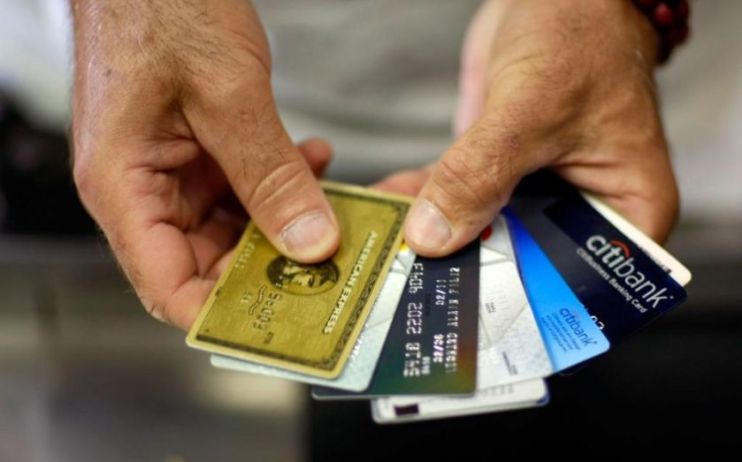
Particularly if you compare BNPL to the traditional credit industry that is ruthlessly charging consumers an average of 20 per cent APR interest on solutions sold as helping them with everyday purchases.
The sustainability of the business model relies on customers who pay on time, because we rely on merchant fees from a sale, rather than profiting from consumer indebtedness.
In fact, around 90 per cent of our revenue comes from merchant fees; whereas the credit card business model is built on consumers being stuck in revolving debt and paying expensive interest.
The current credit model is broken and outdated and consumers are quickly realising it is better to flexibly schedule payments with no interest or late fees, than use a credit card.
The current credit system needs to acknowledge the desires of modern-day consumers and the ever-changing payment landscape.
The rise of BNPL shouldn’t be feared, it should be seen as a catalyst for the rest of the industry to move towards a better way to pay.