Skip to content
City PM
  • Germany
  • France
  • Europe
  • Markets
  • Business
  • Opinion
  • Germany
  • France
  • Europe
  • Markets
  • Business
  • Opinion
Wednesday 23 September 2020 5:00 am  |  Updated:  Tuesday 22 September 2020 3:27 pm

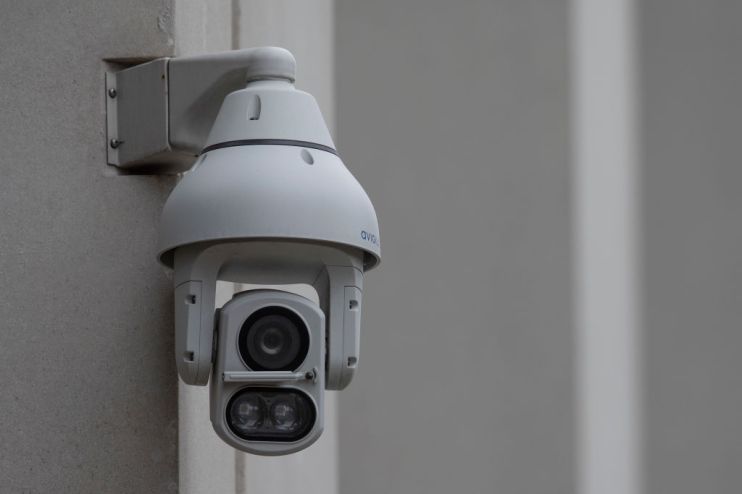
DEBATE: Can we trust facial recognition technology?
By: James Fisher and Robert Hoyle Brown

Add as a preferred source on Google
facial recognition

Can we trust facial recognition technology?

James Fisher, chief product officer at Qlik, says YES.

We need to move away from discussing whether we can trust a technology as if it has an innate “goodness” or “badness”. Arguing that if we cannot trust it implies that we should dispose of it. As a result, we risk jeopardising public opinion and missing out on its potential benefits as the technology matures. For example, did we all trust internet banking in the 90s? The answer is no, of course not.

Instead, what we should be asking ourselves is “Do I trust the data that is fuelling facial recognition algorithms and who is using it?” This is where a risk of bias is introduced and is a question that we need to become better at asking. 

When we question the data and the potential outcomes of its analysis, we can call upon organisations – whether it be the companies creating these solutions or those implementing them – to make the necessary improvements and be responsible for its governance. This is where we really need to focus. 

Governance and testing of all forms of artificial intelligence is key, just like the recent exam results crisis proves.

Read more: Police use of facial recognition tech ruled unlawful by UK court

Robert Hoyle Brown, vice president of Cognizant’s Center for the Future of Work, says NO.

The error rates for facial recognition technologies remain very high, especially for people of different races. Given the potential for those errors to compound – at scale – in the context of law enforcement, this undermines principles of being innocent until proven guilty.

To overcome these challenges, tech companies need to ensure they conduct stringent performance testing. To add further safeguards, one job of the future we anticipate is the “algorithm bias auditor”, to ensure human bias is eliminated from a technology – its objectives, its input and output, related value judgments, and consequences – before it goes live.

For facial recognition to become fully mainstream, we will also have to navigate a thorny mix of standards, laws, regulations, and ethics. A cornerstone of democratic government is consent of citizens – not digital-political overlords – to ultimately control who “watches the watchers”. 

Currently, there should be a veto on these kinds of technologies until the highest thresholds of certainty are met, and citizens feel like they can fully trust the technology.

Main image credit: Getty

Read more

Incode Acquires Identiq to Expand Its Privacy-First Architecture for Identity and Fraud Prevention

Share this article

  • Facebook
  • X
  • LinkedIn
  • WhatsApp
  • Email

Similarly tagged content:

Sections

  • Opinion

Categories

  • Opinion

Related Topics

  • Artificial intelligence (AI) and robots

Trending Articles

  • Top Burnham adviser calls for capital gains and inheritance tax hikes

  • Clarkson’s Farm and why businesses must stop blaming the weather

  • Two solicitors linked to Post Office scandal charged with misconduct

  • Lloyd’s deputy chair: The City is a club in the best sense

  • A meeting with the breakfast king of Mayfair

More from City PM

  • Incode Acquires Identiq to Expand Its Privacy-First Architecture for Identity and Fraud Prevention

    Business Wire
  • Finance’s future needs technology — but it will be defined by people

    Partner
    CIMA business conference June 26 featuring keynote speakers and industry experts discussing financial strategies
  • First Trust Global Portfolios Management Limited Announces Distributions for certain sub-funds of First Trust Global Funds ICAV

    Business Wire
  • Survey: Nearly All European Organisations Feel Pressure to Scale AI for Customer Experience, Yet Only 38% Have a Clear Approach to Governance

    Business Wire
  • Yoti boss warns social media ban needs tougher age-check standards

    Tech
    Getty Images logo on a digital screen, symbolizing media and photography industry presence in news and business contexts
  • London Tech Week day three: Workers are adopting AI quicker than their bosses

    Opinion
    Getty Images logo displayed on a digital screen, showcasing the brands iconic design and presence in the media industry.
  • AI is transforming job references

    Opinion
    Prominent hiring sign displayed in front of a business, indicating job vacancies and employment opportunities
  • Lantern Expands Its Platform for Solving the Data Trust Problem with Strategic Acquisition and Key Executive Hires

    Business Wire

City PM — European politics, business and analysis.

Europe

  • Germany
  • France
  • Europe
  • UK & Ireland

Topics

  • Business
  • Markets
  • AI
  • Technology
  • Opinion
  • Energy

More

  • Politics
  • Economics
  • Fintech
  • Legal
  • Sport
  • Life

Company

  • About City PM
  • Editorial Policy
  • Corrections
  • Contact
  • Terms of Use
  • Privacy Policy
  • Cookie Policy
© 2026 City PM · Published by CityPM Media, Bahnhofstrasse 65, 8001 Zürich, Switzerland
About · Editorial Policy · Corrections · Contact · Privacy