
| Updated:
Burgundy or Bordeaux – which wine-making region do you prefer?

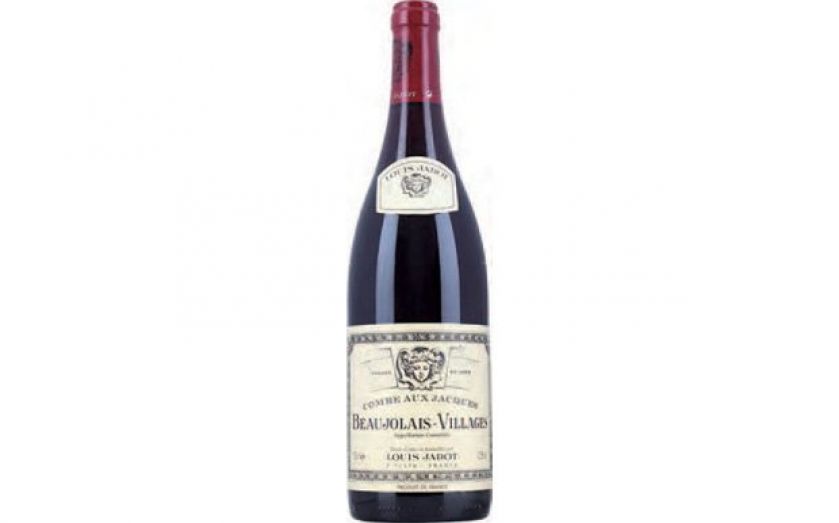
The old adage goes: “Sow your oats in Bordeaux, retire in Burgundy”. Bordeaux is the most famous wine region in the world, with a straightforward designation system and well-branded chateaux. The four major grape varieties in Bordeaux are: Cabernet Sauvignon, Merlot, Cabernet Franc and Petit Verdot, which are blended to create the eponymous Bordeaux blend.
It’s common to refer to Bordeaux chateaux as left bank or right bank, because they are found on opposing sides of a large estuary, the Gironde, which splits into two rivers, the Garonne and the Dordogne. To the west of Garonne we find the Medoc and the famous villages of Margaux, St Julien, Pauillac and St Estephe. The greatest wines from here were classified on the bequest of Napoleon III in 1855, resulting in 58 red and 21 white wines ranked from Premier Cru (First Growth) to Cinquième Cru (Fifth Growths). To the east of the Dordogne River we find the two famous right bank villages of St Emilion and Pomerol. The former had its own classification update in 2012.
On the left bank, Cabernet Sauvignon dominates, with Merlot popular to a lesser degree. On the right-bank Merlot predominates, often with a much higher percentage of Cabernet Franc. Once you work out which bank you prefer and which villages and chateaux suit your palate, you are well on your way to understanding Bordeaux. But that is not the case in Burgundy.
It all starts relatively easy in Burgundy, focusing on two grape varieties: Pinot Noir (red Burgundy) and Chardonnay (white Burgundy). Burgundy’s famed fine wine area is called the Cote d’Or, a limestone escarpment, which runs from Dijon in the north to Dheune in the south. Pinot Noir is mostly planted in the northern part of the Cote d’Or, known as the Cote de Nuits, while Chardonnay is mainly located south of the village of Beaune, known as the Cote de Beaune. That is the easy part, as the Napoleonic law of succession required land owners to divide their holdings equally among their children causing a large fragmentation among vineyards. Today, a vineyard can have many plots and many producers. As such, Burgundy requires the dedication and desire to learn not only the villages and individual vineyard plots you prefer, but which producers make wine in which village and vineyard.
Generally speaking, however, Bordeaux reds are rich, full bodied, powerful and masculine, while Burgundy is the antithesis. Where Bordeaux is full of dark fruit and gripping tannins, Burgundy has finesse, perfume, with a more delicate texture, although arguably no less powerful: both can age for decades. I have heard people say that over the years their palates have naturally moved away from the very powerful wines of Bordeaux, in favour of the more delicate and fragrant red wines of Burgundy. However, it is also fair to suggest that Bordeaux tends to be more homogeneous in style, certainly more consistent; in Burgundy you often have to kiss a few frogs before finding your prince. I also find most Burgundy collectors are very knowledgeable about Bordeaux, suggesting one leads naturally to the other. Thus few start with Burgundy and end in Bordeaux.
[custom id="2"]