
Brits fleeing Dubai could trigger ‘surprise’ UK tax bills

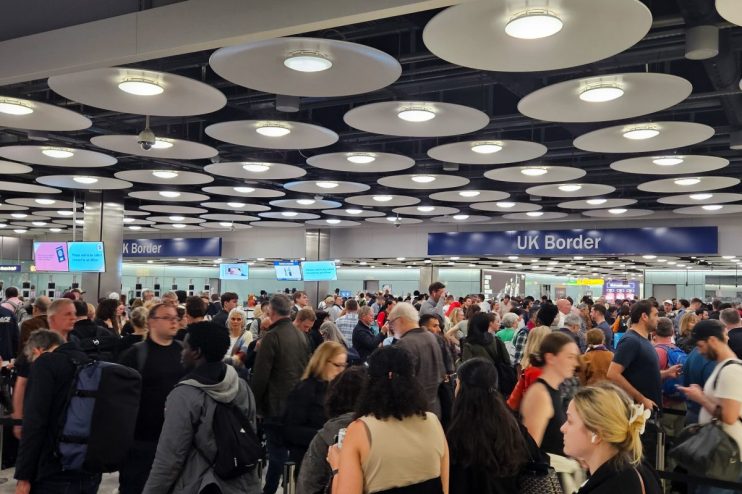
British expats returning to the UK from the Middle East over safety concerns as a result of the war in Iran could face “hidden tax costs”.
The British expat population in the UAE is among the largest outside the UK, with estimates of 130,000 to 240,000 British nationals living and working in Dubai and Abu Dhabi. There are also around 20,000 to 22,000 British nationals living and working in Qatar, and a further 4,000 to 8,000 in Kuwait.
While the year-round sunny climate is an attractive feature, the biggest benefit of living in the Gulf, especially in the UAE, is the tax advantage, including no personal income tax.
However, since the US-Israeli attacks on Iran began in late February, many of the Gulf countries have faced Iran’s retaliation with strikes on major cities, with the Burj Al Arab hotel and Dubai’s International Financial Centre among sites that have been targeted by Iranian drones.
Since the conflict escalated, thousands of flights in and out of the region have been cancelled. Dubai was forced to temporarily close its airport, one of the busiest in the world, overnight after an Iranian drone hit a fuel tank in the UAE.
Despite the complicated logistics, people have been scrambling to secure seats on flights that can depart, while others are either booking private jets or taking lengthy bus rides to the border to seek flights from Oman or Saudi Arabia back to the UK.
Knock-knock: It is HMRC
While those touching down in Heathrow might breathe a sigh of relief, it may be short-lived, as some may face massive “surprise” capital gains tax (CGT) bills upon returning to the UK.
Accountancy firm Price Bailey stated that returning within five years of departure can trigger the UK’s temporary non-residency rules, effectively “reviving” taxes on assets sold while abroad.
Nikita Cooper, director at Price Bailey, explained that gains on UK businesses or second homes sold while tax-resident in Dubai could be taxed at rates up to 24 per cent, if the owner returns to the UK too soon.
“For many, that could amount to tens or even hundreds of thousands of pounds.”
While for those who were going to join the exodus from the UK, the same CGT trap affects individuals in the UK who were preparing to emigrate.
The firm said it is aware of clients who were planning to emigrate to Dubai but have now paused the sale of businesses and second homes while they reassess their options.
Health versus wealth
While ‘exceptional circumstances’ rules exist, they are currently narrow, leaving thousands of Britons in a “health versus wealth” dilemma as they weigh personal safety against significant tax liabilities.
HMRC can ignore up to 60 days spent in the UK if an individual is “prevented” from leaving due to war or civil unrest.
However, the UAE is currently under a lower warning of “all but essential travel,” as the UK Foreign Office advises British nationals in the Gulf to “stay away from windows and doors”.
David Little, partner at Evelyn Partners, explained that this creates a legal “grey area” for those expats fleeing drone or missile strikes, as the relief is notoriously difficult to claim.
As the war continues with no end in sight, US and Israeli forces have continued to bombard Iran, and Tehran continues to block the Strait of Hormuz.
“As the UK tax year nears its end, individuals splitting their time between Dubai and the UK would not have anticipated the war in the Middle East,” says Tim Stovold, head of tax at Moore Kingston Smith.
“This means they may not have left themselves many days back in the UK before their day count causes them to become UK tax resident,” he added.
Once residency is triggered, HMRC, which has been on an aggressive path to fill the tax gap, may place an individual’s worldwide income and global wealth under the microscope, not just their UK earnings.
A spokesperson for HMRC said: “The existing rules provide the right protection while following the basic principle that individuals living in the UK should pay tax in the UK. Exceptional circumstances, such as being affected by a war, are taken into account.”