
Britain’s biggest growth threat is giving into doomsterism

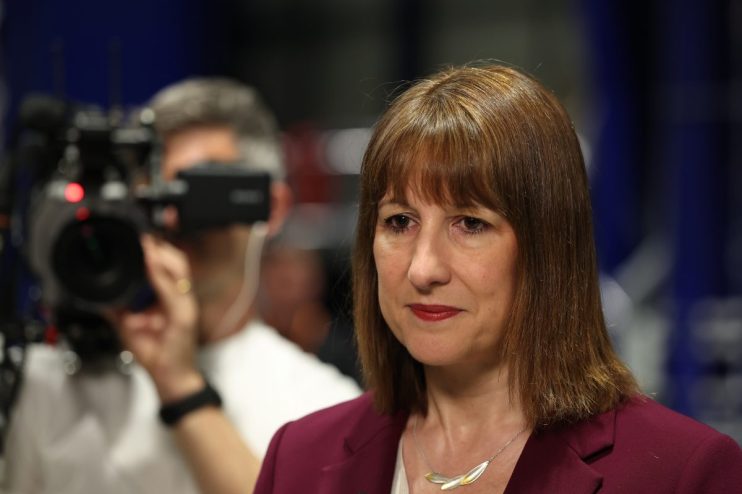
As the Spending Review looms over Westminster, Britain must not lie down and accept decline, writes Simon Clarke
Next week’s Spending Review looms large over Westminster. The bottom line, of course, is that Britain doesn’t have enough money to do everything this government wants to do – and as well as making tough choices about priorities next week, Rachel Reeves will almost certainly have to raise taxes in the Autumn Budget (perhaps dressed up as paying for this week’s woefully unfunded Defence Review).
Welcome to the growth crisis. Over the last 10 years UK GDP growth has averaged just 1.44 per cent, while the population has grown by between four and five per cent. This matters because a fundamental principle of a market-driven economy is that consistent growth generates a gradual rise in overall living standards. Growth also provides the tax yields that fund our public services, the cost of which is only set to rise as our society ages. Just to fund current spending commitments without raising taxes, the Office for Budget Responsibility calculates annual GDP growth would need to be closer to three per cent.
So far, so doomsterish – but the solutions to persistent low growth exist if we have the courage to reach for them.
Low growth is not inevitable
Last week Onward published The Turnaround, setting out the key pillars of our upcoming work to put the zip back into the UK economy. We will argue for root-and-branch supply side reforms to housing, planning, infrastructure and energy, with reforms to tax, incentives and regulations to achieve market-driven growth. But we will also argue for targeted industrial strategy in the UK national interest, aimed at rejuvenating critical industries in the private sector. And we will develop a plan for place-based strategy to create new clusters of economic agglomeration outside the South East.
Our country’s prosperity was built not on colonial exploitation, but on being the workshop of the world
We will argue clearly that yet more immigration does not represent any kind of answer to our problems. Unprecedented and wholly unsustainable levels of immigration have generated an illusion of growth while doing nothing for living standards except piling pressure on housing and public services while compressing wages for the lower paid.
Likewise, we will assert unapologetically that faster growth and greater fairness are not in tension. In fact, they can only be achieved together. Without opportunity for younger people to acquire assets, talent will leave and incentives will be killed off. Similarly, Britain’s high-spending, high-borrowing state will never be reduced if regional performance beyond the South East is not improved.
Why Britain should reindustrialise
Change at home needs to be matched by a new outlook abroad. The global economy is going through huge tumult. Punitive and arbitrary tariffs are not the answer. But the pace and manner of ultra-globalisation had become unsustainable, with Western economies naively accepting Chinese distortions and aggressive mercantilism. In this new era of competition for energy, chips, manufacturing capacity, minerals and new technologies, we must act robustly in the national interest to make Britain both more prosperous and more secure. This will involve deploying our nation’s pools of capital much more productively so great companies can grow here, and building resilience into our supply chains.
Britain’s share of global trade is falling and we are offshoring industries at breakneck speed. Our country’s prosperity was built not on colonial exploitation, but on being the workshop of the world. Today, we neither make nor do enough of what the world wants and needs to buy. And just as we should be acting to reverse this deindustrialisation, Labour’s Brexit “reset” is hitching us to the EU’s burdensome carbon pricing system. Our industrial energy prices are already some of the highest in the world. This is madness – and is ironically the surest way to kill public support for climate action.
These challenges are profound and frequently intersect: the problems must be faced simultaneously. But it is not acceptable – or inevitable – for Britain to go into decline.
Simon Clarke is the director of Onward