
Britain must invest in defence AI to secure its future

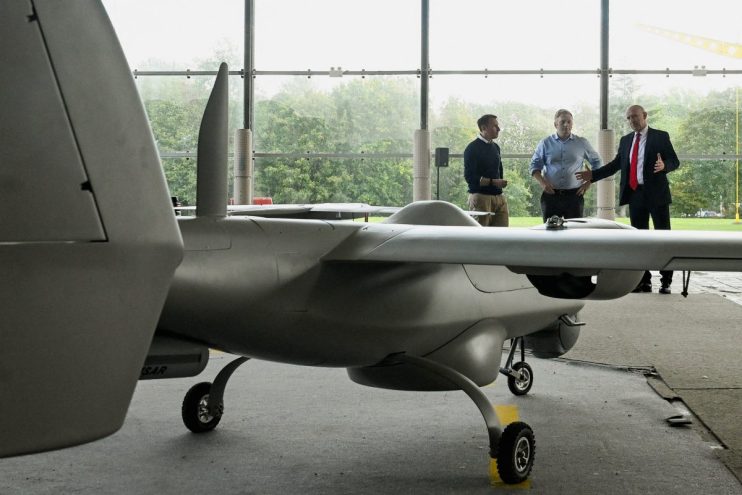
The UK has the talent and industrial base to compete in defence tech, but leveraging these effectively will require more than investment, writes Tristam Constant
The Chancellor’s Autumn Budget included an increase in defence spending to 2.6 per cent of GDP by 2027 and earmarked £1.5bn for new munitions factories. While these figures make headlines, it is worth asking what they will actually deliver, both in terms of programmes and capabilities which deliver at the pace required to actually matter. These are significant allocations, but money alone will not make Britain stronger or safer. If defence is to contribute meaningfully to both national security and economic growth, the capabilities we are procuring need to be more than a talking point – they must be integrated into strategy and industrial planning.
History offers a reminder. In the Second World War, Britain’s industrial capacity was decisive. Factories retooled overnight to produce tanks, planes and munitions. Today, conflict is different: speed, technological superiority and operational flexibility matter as much as volume. Autonomous systems – drones, uncrewed vehicles, AI-enabled intelligence platforms – are becoming standard capabilities. The UK has the talent and industrial base to compete, but leveraging these effectively will require more than investment; it will require sustained focus, coordination and a willingness to embed emerging technologies across the defence ecosystem.
The Budget contains measures that could help, however their impact will take years to assess and requires sustained attention. AI Growth Zones, a modern public compute ecosystem and technical skills initiatives may support dual-use innovation that benefits both defence and the wider economy. Likewise, reinvestment of savings, regulatory streamlining and regional growth initiatives have the potential to support industrial resilience. But these measures are still early steps. While reinvestment of savings is a welcomed move, departments should already be working to ensure value for money, not needing extra incentive to see taxpayer money being used efficiently, particularly while the MOD has a hiring freeze. The impact of these announcements is uncertain at the moment, and will depend on consistent execution, clear prioritisation and the alignment of industry and defence objectives over the long term.
AI investment alone will not guarantee success
Autonomy is not just about sovereign operational capability, but also about shaping industrial and economic outcomes. Companies producing autonomous systems can create high-skilled jobs and support technological leadership. Yet translating potential into results is rarely straightforward, and benefits will take time to materialise. The UK must be realistic about what can be achieved and avoid assuming that investment alone guarantees success. The forthcoming Defence Investment Plan represents the next step in translating policy into capability. How it will allocate funding to shape procurement, industrial planning and technological adoption is not yet clear. What is evident is that embedding autonomy systematically will be essential if the UK is to maintain a credible edge on the frontlines.
The window to act is open, but it is not permanent. Other nations are actively integrating AI and autonomous systems into their defence structures, and Britain cannot afford to lag. Autonomy must be treated as a core enabler of defence capability, not an optional extra. Success will depend on sustained focus, careful planning and the ability to convert resources and talent into tangible outcomes.
The Budget provides some tools, but it is unclear how far they will go in practice. The UK has strengths to build on, however turning these into operational and industrial advantage is far from straightforward. It will require steady, considered effort, and a clear-eyed view of both opportunities and constraints. Autonomy offers significant potential but it will only deliver if treated as a strategic priority, with consistent investment, coordination and execution over time – none of which are assured given past difficulties in translating policy and funding into concrete results.
Tristam Constant is head of European government and defence at Applied Intuition UK and a former British Army officer