
The second machine age is coming, and it’ll be bigger than the industrial revolution, says AI boss

Before the industrial revolution, work was a very different experience for most humans. We were on our feet, working in the fields and interacting with people rather than technology – a world away from the desk-based computer jobs we have now.
And once again a tide of change is on its way, but this time our lives could be transformed to an even greater extent. It comes in the form of “cognitive agents" – computer software that can think and react to situations like humans, but more effectively.
Chetan Dube, founder of IP Soft, a company specialising in technology for businesses, calls it the “second machine age”.
“There is going to be a cognitive revolution where machines will become intelligent beings that will carry humans to higher planes of creative thinking,” he tells City A.M, “And it's important that humans are prepared for it.”
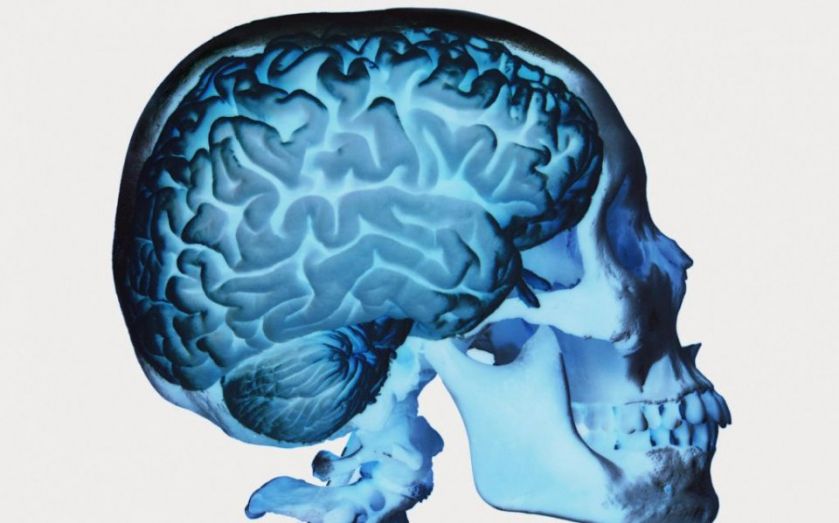
A cognitive agent is not quite as intelligent as a human, but it's network reflects the organisation of neurones in the human brain, and as a result it is able to learn like a human while retaining all the knowledge it picks up.
At IP Soft, Dube and his colleagues have created their own cognitive agent called Amelia. “she understands like a human, but is more efficient, eliminates human error and makes huge costs savings,” he explains.
Other robotic technologies with human qualities include the humanoid robot Pepper, created by Alderban to interact with customers in SoftBank Mobile stores in Japan, and Baxter, the manufacturing robot built by Rethink Robotics.
“You have robotic technology that's really starting to get more sophisticated, as it becomes increasingly able to replicate human functions,” says Dube.
I have conviction that these machines are going to resculp the business landscape. In the next decade we could pass someone in a car door and not be able to tell if it's a human or an android.
Already sectors ranging from financial services to the cosmetic industry are adopting this software, and a recent business report by McKinsey estimated that the cognitive computing industry will be one of the biggest trends of the coming decades, bringing in an estimated $6.7trn (£4.3trn) in productivity by 2025.
It's easy to see why – in the case of Amelia, she is able to perform a traditionally human task in less than a quarter the time. An administrative job that takes humans an average of 18.5 minutes to complete, she can do in 4.2 minutes.
Humans will scramble
So if cognitive agents become the predominant force in business, where does this leave humans? Many will certainly lose the jobs they currently have, but that might not be such a bad thing as they'll be able to take on other, more interesting roles.
We would be freed from the mundane chores we're currently engaged in, and instead move on to more sophisticated projects. At the moment we use about 10 per cent of our creativity on an average day, which is a huge waste.
But to make the most of this shift, Dube believes we need to mentally prepare ourselves: “People should pro-actively prepare for this new world order, because there's no getting around the fact they'll have to scramble to reassemble their skill sets when it arrives.”