
Bitcoin mining explained: How it works, how much energy it uses and what needs to be fixed

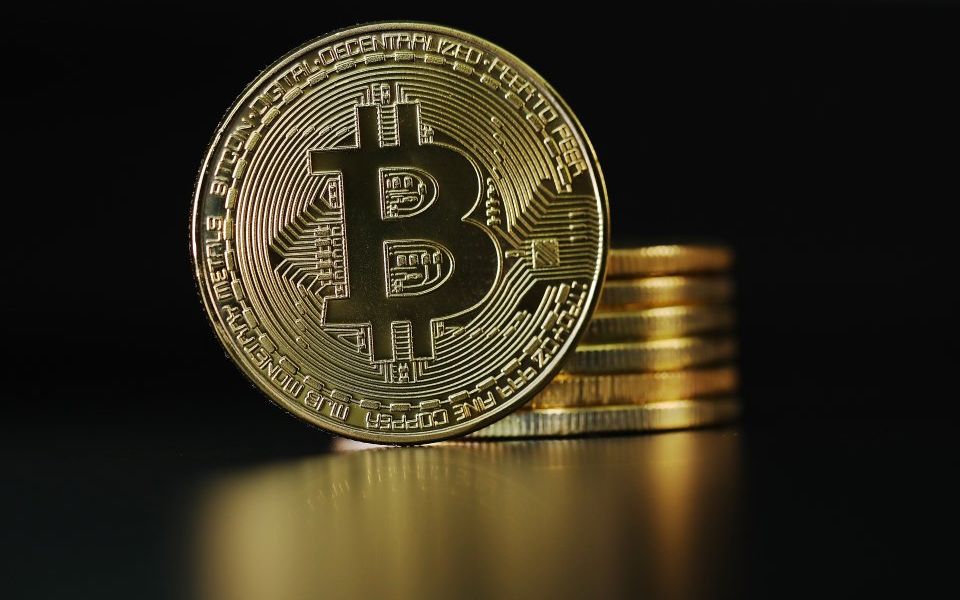
All eyes are on bitcoin at the moment.
The cryptocurrency has staged a meteoric rise in 2017 that has attracted new investors, but, for many, question marks still surround bitcoin and the technology behind it. With recent reports pointing to the high energy cost associated with mining, the process used to create bitcoin, is there any way to fix it? Here are all your questions answered.
What is bitcoin mining?
Just as gold miners produce the world’s supply of gold, so do bitcoin miners produce all the digital currency available to the market – but, naturally, it is a bit more complicated than that. Mining is the process of adding transaction records to bitcoin’s public ledger, or the blockchain.
Read more: Bitcoin explained: What is it? Why did its price rise? What's next?
How does mining physically work?
First of all, the blockchain is, simply, a chain of blocks. Miners use a special software to solve mathematical problems that both confirm legitimate transactions, or blocks, and create new bitcoins, adding new transactions to the blockchain about every 10 minutes. The hash rate is the number of calculations a piece of hardware can make every second as it works to solve that maths problem, and the higher the hash rate, the more likely a miner is to solve a transaction and thus be rewarded with a set amount of bitcoin.
Why is it so difficult?
The difficulty of mining bitcoin is part of its design. The ideal average mining time is 10 minutes per block, and if that falls, the process becomes more difficult with the aim of keeping the block creation rate stable. There are a total of 21m bitcoins that can be mined, at which point the miners will close shop unless bitcoin’s protocol – the rules that secure the system – is changed to allow for a larger supply.
Is it profitable?
Mining can be profitable, as miners are rewarded with a fixed amount of coins and transaction fees for their hard work, but the computers and hardware necessary for powering through blocks can eat up a lot of electricity and end up running huge costs.
Read more: Bitcoin smashes through $12,000 to reach a new record high
Just how much energy is used and what is the cost?
The massive computer network behind bitcoin uses quite a bit of energy – as much as Serbia, to be exact.
A recent report by Accounts & Legal said the aggregate computing power of the bitcoin network is nearly 100,000 times larger than the world’s 500 fastest supercomputers combined, and miners are constantly installing upgrades to make their computers faster.
Digiconomist has created a bitcoin energy consumption index in order to understand how much electricity is consumed by the cryptocurrency. As of 5 December, bitcoin’s estimated annual electricity consumption was 31.96 terawatt hours (TWh), or 0.14 per cent of the world’s total electricity consumption. That’s about the same as Serbia and more than Morocco, Oman and the Slovak Republic. Annualised estimated global mining costs were $1.6bn (£1.2bn), while annualised global mining revenues were $10.2bn. The index says 250 kilowatt hours (KWh) of electricity are consumed per transaction.
Is there any solution?
Mati Greenspan, senior market analyst at eToro says yes. “The current bitcoin mining system is no doubt inefficient. This is one of the flaws in the original blockchain and represents a potential scaling issue. We're not at the point that anybody should really be worried and we have every confidence that upgrades to the network will come in the near future that will tackle this issue," he said.
“There are many solutions. For example, the ethereum blockchain is working on a solution called proof of stake, which will significantly reduce energy consumption in ether mining.”
What's the next big challenge for bitcoin?
Greenspan said working out how to scale the network is next on the agenda. "Energy consumption is only a small part of that. If bitcoin is to replace cash in the long run it will need to be fitted to process more than 100,000 transactions per second. At the moment it can do about 10. Many proposals are on the table but as the currency is decentralised it's difficult to get everybody to agree on one," he said.
Read more: Bitcoin steals gold's shine as new investing in bullion drops by a fifth