
Beware mayoral wannabes pledging a Tube fare freeze: The numbers don’t stack up

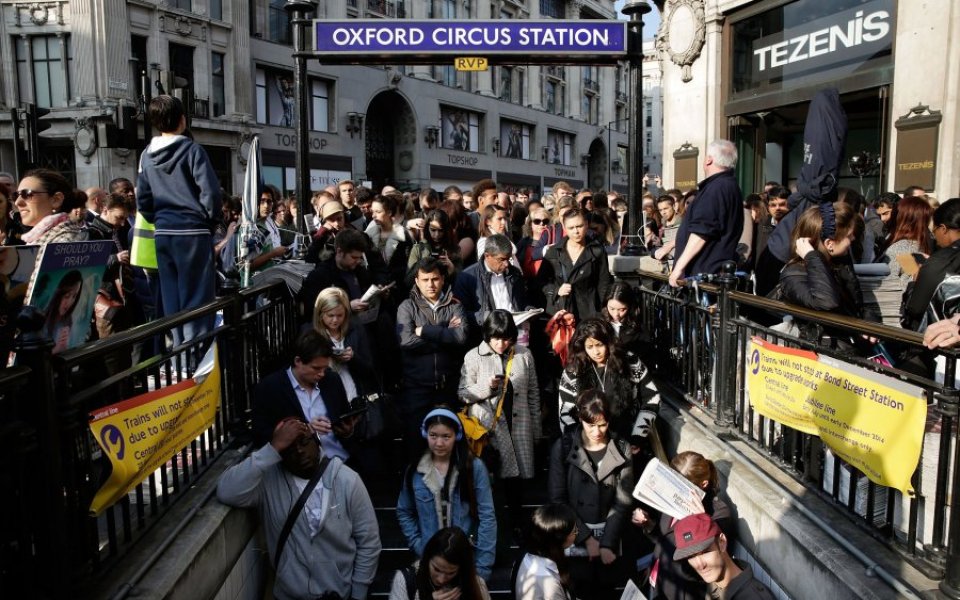
While most resolutions – especially those involving regular gym attendance – do not last beyond January, there is one New Year tradition that is guaranteed to be with us for the whole year: Transport for London’s annual fare increase.
Londoners will be familiar with the routine. Sometime between singing Auld Lang Syne on New Year’s Eve and packing away the Christmas decorations on Twelfth Night, the cost of your travel card increases. As we renew our tickets on that first commute of the year, we may mutter something unrepeatable under our breath, and briefly consider either cycling to work or working from home as an act of commuter protest, before shrugging and moving on with our day. However, this year’s fare increase may be the last for some time that can be easily shrugged off.
This year’s rise – an average of just 1 per cent – is not just relatively modest but, based on the retail price index (RPI), effectively a real terms fare freeze. But it is unlikely that TfL will be able to maintain such restraint in the years ahead given that the chancellor announced significant cuts to TfL’s direct government funding in the Comprehensive Spending Review (CSR). Over the lifetime of TfL’s five year business plan, that is a reduction of almost £2.9bn.
That business plan already envisioned TfL increasing fares by RPI plus 1 per cent each year, as well as efficiency savings of around £3.5bn. So the loss of an additional £2.9bn leaves a significant black hole that the next mayor of London will have to plug.
TfL could save £1.7bn by cutting its free or subsidised travel concessions to young people, veterans and other groups, but this is likely to be politically unpalatable to any aspiring mayor. Scrapping the perk that allows TfL staff to give free travel to their spouses, partners or flatmates would save an estimated £111m by 2020 and is likely to be much more acceptable to the public, though not TfL staff or the trade unions.
Some of the funding shortfall will be met by rising passenger numbers. Certainly, numbers are increasing – the Tube set new records for the number of passengers carried in a single day on no fewer than three occasions between October and December 2015. But TfL would have to sell an extra 2.2m annual adult travel cards over the next five years to fill the black hole left following the CSR. (That would be enough extra commuters to fill more than 25,000 “Boris Buses” each morning).
A much more likely source of additional revenue is an increase in the amount of non-fare revenue TfL generates. “Other income” currently accounts for about 9 per cent of TfL’s annual budget (compared to the 40 per cent that comes from fares) and is made up of advertising revenue, sponsorship deals, the congestion charge, cycle hire fees, asset rentals, and property disposals.
Increased commercial pressure on TfL’s property portfolio could see a sharp increase in the number of retail outlets at Tube stations as well as a squeeze on the amount of affordable housing provided when TfL property is redeveloped. A new mayor may look to raise more from the congestion charge by bringing forward increases planned for 2020 or contemplating an expansion of the charging zone. Cycle hire fees could also be raised, and we may start to see an increase in the number (and value) of commercial sponsorship deals, including the naming rights to stations or even entire Tube lines.
Transport fares have always been a politically sensitive issue in the capital. This inevitably encourages mayoral candidates to make pledges to cut or freeze fares a centrepiece of their offer to Londoners. Not only should Londoners consider any pledges to cut or freeze fares with scepticism, they should also prepare themselves to start muttering increasingly unrepeatable expletives at ticket machines from January 2017 onwards.