Skip to content
Tuesday 28 July 2026London --:--Frankfurt --:--Zurich --:--
NewslettersSearchEN · DE
City PM

European business, markets and politics

FTSE 100
10,838.67
+0.53%
DAX
25,497.62
+0.54%
CAC 40
8,439.61
+0.40%
STOXX 50
6,297.21
+0.24%
  • Europe
  • Markets
  • Business
  • Economy
  • Technology
  • Politics
  • Opinion
More
GermanyFranceBankingAIEnergyFintechPropertyCapital Markets
  • Germany
  • France
  • Europe
  • Markets
  • Business
  • Economy
  • Technology
  • Politics
  • Opinion
  • DE
Friday 18 November 2016 11:25 am

Ben Broadbent: The weak pound and higher import prices will dampen wage growth – but the Bank of England can fix it

By: Emma Haslett

Add as a preferred source on Google

UK workers' wages are at risk as a result of weaker sterling, the Bank of England's deputy governor warned today.

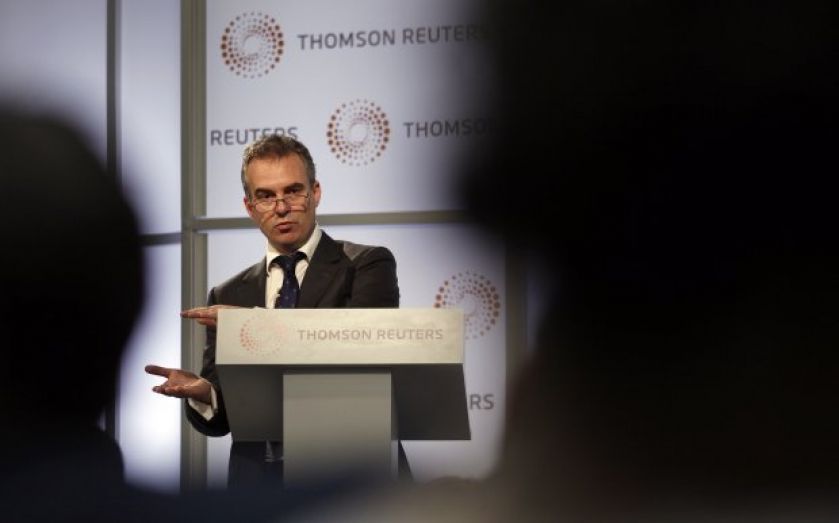
In a speech at the Society of Business Economists' annual conference, Ben Broadbent said the pound's fall against the dollar and the euro meant UK consumers face a long period of higher import prices. 

Without a significant rise in wages (and lest we forget, this month's figures showed wage growth is flat at 2.3 per cent), higher import prices will "dampen" real wage growth – and with it, consumer spending.

The good news is, Broadbent suggested the Bank's monetary policy committee might be able to do something to prevent high import prices from hitting consumers (and from pushing the rate of inflation above the Bank's two per cent target – something it is less inclined to tolerate).

Changes in the general level of sterling import prices seem to take quite a long time to feed through to the retail level – long enough, in principle, for monetary policy to do something about them. The evidence suggests that exchange rate changes have a direct bearing on inflation at horizons two to three years ahead.

But what can policymakers actually do about it? Tightening, he suggested. 

"One of the Bank’s economic models… plots the simulated paths of interest rates and unemployment required to offset in full the impact of a 10 per cent exchange rate depreciation on inflation," he said 

"The interest rate would have to rise by around half a percentage point. This dominates any expansionary impact of the lower exchange rate on demand and unemployment too goes up by close to half a per cent. As the impact of the depreciation begins to top out, a year later, interest rates and unemployment start to fall back."

Share this article

  • Facebook
  • X
  • LinkedIn
  • WhatsApp
  • Email

Similarly tagged content:

Sections

  • Markets & Economics
  • News

Categories

  • Business
  • Economics

Trending Articles

  • Big Four’s AIM exodus accelerates as mid-tier firms seize mandates

  • FTSE 100 firm agrees £5.7bn takeover in latest private equity swoop

  • Burnham backs plan to pump £1bn pension funds into start-ups

  • Scotland’s tax hike may have backfired as receipt falls

  • As it happened: Stocks rise; oil falls after Trump pauses Iran strikes

More from City PM

  • Bank of England to hold interest rates as oil price surge threatens UK economy

    Economics
    Bank of England building on Threadneedle Street, London, showcasing its historic architecture and financial significance
  • IMF warns Bank of England against cutting interest rates

    Economics
    IMF Chief Kristalina Georgieva issues caution to Bank of England amid economic concerns
  • ‘Door is open’ to interest rate hike as inflation fears return

    Economics
    Bank of England headquarters in 2025, showcasing modern architecture and iconic London skyline in the background.
  • UK economy tipped to stall as Iran war chokes growth

    Economics
    Canada
  • Bank of England warns Burnham of UK economy’s ‘big issue’

    Economics
    Bank of England Governor Andrew Bailey said the future of interest rates was "more uncertain".
  • Oil prices return to crisis levels

    Markets
    Close-up of a petrol pump nozzle dispensing fuel at a gas station, highlighting rising fuel costs and economic impact.
  • ‘False dawn’: June inflation falls to 2.6 per cent but analysts say rises ahead

    Economics
    Till sales growth slowed to 2.7 per cent in the last four weeks
  • Burnham urged to go further to fix ‘broken’ business rates

    Retail
    Burnham cityscape at sunset with historic buildings and bustling streets, highlighting the vibrant urban landscape
CityPM

Independent European business, markets and political news for decision-makers.

Morning Briefing

Europe

  • Germany
  • France
  • Europe
  • UK & Ireland

Business

  • Markets
  • Banking
  • Technology
  • Energy
  • Property
  • Fintech

Editorial

  • Opinion
  • Editorial Policy
  • Corrections
  • Contact

Company

  • About City PM
  • Privacy Policy
  • Terms of Use
  • Cookie Policy
© 2026 City PM Ltd · Published by CityPM Media, Bahnhofstrasse 65, 8001 Zürich, Switzerland
Privacy · Terms · Cookies · Facebook