
Bank of England’s MPC meeting: Who will take Haldane’s hawkish reins?
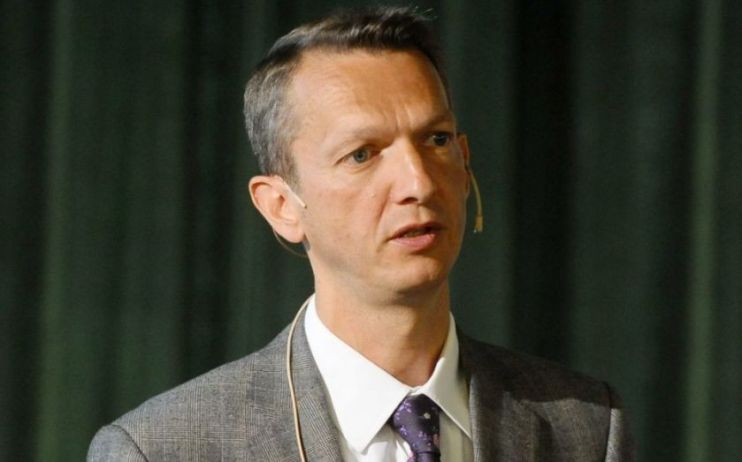
A big hole has been left at the table of the latest round of the Bank of England’s monetary policy committee meetings – they are the first since chief economist Andy Haldane departed the Old Lady after over 30 years of service.
Much of the focus on Thursday’s MPC policy announcements will be on whether the Bank provides any insight on when it will reduce its balance sheet.
The City is also waiting to see who will follow in Haldane’s footsteps in voting against the final £50bn round of bond purchases and, in the long run, who will provide a hawkish anchor to the Bank’s monetary policy stance.
Read more: Sunday Read: Bank of England’s QE programme has muddied the water between right and wrong
Likely dissenters are Michael Saunders and Sir Dave Ramsden, who have both signalled their discomfort toward the Bank’s adherence to swelling its stock of government and corporate debt to £895bn.
Philip Shaw, economist at Investec, said: “It is possible that the ongoing robust nature of the UK economic recovery triggers a significant debate of the design of the current QE programme.”
Experts are forecasting the MPC to vote in favour of its current bond buying programme and to keep rates at 0.1 per cent.
But, Haldane’s criticism may have empowered MPC members to voice their opposition. The most likely outcome of the policy vote is six in favour of leaving monetary policy (rates and QE) as it is and two against the position. At the last meeting, it was seven to one, with Haldane the only dissident on the QE initiative.
Read more: Weekend Read: Job market tension threatens to derail Britain’s economic recovery
Economists are not braced for a sudden change.
Yael Selfin, chief UK economist at KPMG, reckons rates will be left unchanged and that there will be “dissenting voices on QE.” However, the Bank will wait until Autumn to start pulling any levers, she stressed.
Analysts at ING are slightly more optimistic: “There is… an outside chance that we hear more about the Bank’s future balance sheet reduction plans – which is likely to happen at a much earlier point in the future tightening cycle than policymakers had previously signalled.”
However, the Bank will be coy on revealing any plans to scale back asset purchases before it reaches its initial target due to concerns over whether cutting it short will weaken the impact of future bond buying programmes.
“The announcement of a new bond-buying package in the future may be less potent if investors were to factor in the possibility of the scheme being wound up early,” ING said.
Evidence is also growing suggesting the Bank will reduce the size of its balance sheet before it raises rates, mainly in the form of governor Andrew Bailey supporting it in the past.
Martin Beck, senior economic adviser to the EY Item Club, said: “Although a tightening in policy is probably more than a year off, the MPC may judge that – with the economic recovery in play and inflation rising quickly, if temporarily – this is a good time to talk about sequencing.”
“But doing so also risks tightening monetary conditions at a time when there are still big risks to the recovery,” he warned.
The Bank will need to provide measured guidance to keep markets in check.
BoE likely to produce upbeat forecasts
As is accustomed every quarter, the Bank will also provide an in-depth assessment of the prospects of the UK economy for investors to comb through on Thursday.
The City is keen to see whether the Old Lady follows a similar line toed by the International Monetary Fund in its latest round of economic forecasts, which estimates the UK economy will grow at the joint-fastest pace of all G7 nations this year.
Lower-bound estimates of unemployment have not materalised due in large part to government support measures protecting household income and firms’ balance sheets. Better-than-expected consumer spending has also improved trading conditions, prompting firms to scale staff in response to high demand.
“Unemployment has also been a bit better than feared, and it’s possible that the Bank once again lowers its estimate for the peak in the jobless rate later this year,” think ING analysts.
The Bank has reiterated it will hold rates and bond purchases steady until it has more timely data on the jobs market. The impact of the end of furlough is not likely to surface until early November, suggesting Thursday’s announcements will be a stop gap.
However, sharp rises in Covid cases driven by the Delta variant may have dampened the Bank’s predictions for growth. But, cases have been trending down more recently.
Read more: Covid recovery: IMF predicts UK economy to grow fastest of all G7 nations
Shaw added: “Daily infection numbers may now decline towards a lower underlying path, in which case further economy restrictions will probably not be necessary.”
Catching the tiger
Inflation has receded from the limelight recently after a spate of senior Bank members voiced varying opinions on where they think price rises are heading.
This could change on Thursday. The Bank will publish its updated inflation outlook, and many are expecting its third quarter forecast to be much higher than May’s second quarter prediction.
ING thinks CPI inflation will hit 3.5 per cent this year, 1.5 percentage points higher than the Bank’s target.
Andrew Bailey will likely move to quash inflation fears by reiterating price rises are purely transitory due to base effect and temporary supply and demand imbalances. Bailey is also betting on inflation easing as spending on goods switches to services.
However, CPI inflation is already running at 2.5 per cent. Supply chain bottlenecks have been persisting for a few months now. Worker shortages seem to be getting worse not better, and the likelihood of a wage-price spiral emerging is growing.
As Haldane warned in a speech earlier this year, the inflation “tiger” can prove difficult to tame.
Read more: Haldane: Inflation will reach four per cent this year