Skip to content
Wednesday 22 July 2026London --:--Frankfurt --:--Zurich --:--
NewslettersSearchEN · DE
City PM

European business, markets and politics

FTSE 100
10,743.84
+1.49%
DAX
25,173.79
+0.65%
CAC 40
8,456.60
+1.12%
STOXX 50
6,321.21
+0.57%
  • Europe
  • Markets
  • Business
  • Economy
  • Technology
  • Politics
  • Opinion
More
GermanyFranceBankingAIEnergyFintechPropertyCapital Markets
  • Germany
  • France
  • Europe
  • Markets
  • Business
  • Economy
  • Technology
  • Politics
  • Opinion
  • DE
Monday 07 December 2015 9:56 am

Bank of England: Poorly designed banker bonus clawbacks can actually encourage risk-taking

By: Jessica Morris

Add as a preferred source on Google

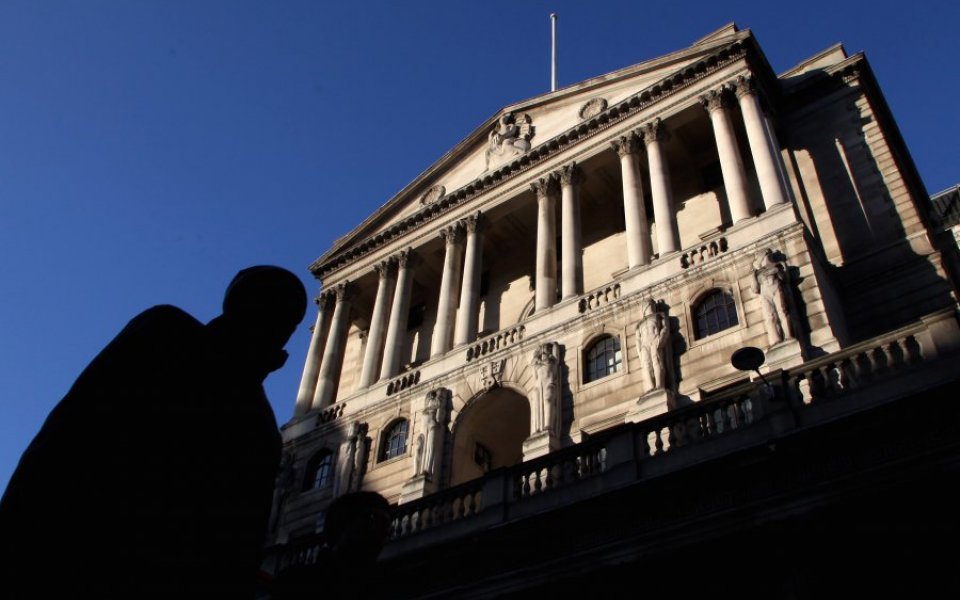
Poorly designed banker bonus clawbacks can actually encourage risk-taking and short-termism, according to a new blog post by the Bank of England.

It argues that bonuses linked to financial performance rather than risk management can encourage excessive risk-taking, as execs expect to suffer large losses when their firm performs poorly, meaning they’re more likely to become risk averse.

Earlier this year, the Financial Conduct Authority (FCA) and the Prudential Regulation Authority (PRA) confirmed they will push ahead with rules for a clawback period of up to 10 years.

The clawback periods are designed to give bankers an incentive to consider the long-term health of the companies they work for, instead of making a quick buck and leaving before losses they are responsible for become manifest. However there are concerns poorly implemented regulations will hurt London’s ability to compete with other financial centres, such as New York.

Read more: The UK now has the toughest bank pay rules in the world

“Importantly, the effectiveness of malus and clawbacks depends on how bankers expect them to be implemented,” the researchers wrote.

“Good risk management ex ante doesn’t mean zero risk, and bad outcomes at times occur despite good risk management.”

“So a well-designed remuneration regulation should lead the executives to believe that they will be penalised proportionately for losses that occurred because of their poor risk management, but not for losses that occurred in spite of risk management.”

But they acknowledged there are difficulties associated with how well managers mitigated risks several years later.

It would require documenting and recording the processes, models and analyses used for taking important risk decisions, and clear standards against which they can be judged, so they won't be held accountable for losses that happen despite good risk management. 

However, if this can't be done, the researchers called for the use of bonus clawbacks to be scaled back.

Share this article

  • Facebook
  • X
  • LinkedIn
  • WhatsApp
  • Email

Similarly tagged content:

Sections

  • Markets & Economics
  • News

Categories

  • Business
  • Economics

Trending Articles

  • Romesh Ranganathan makes it hard to defend the BBC

  • Exclusive: Rugby World Champions Cup set to be mothballed

  • John Healey becomes Chancellor as Andy Burnham names top Cabinet appointments

  • Tax rises ‘guaranteed’ as Healey faces £22bn black hole from Burnham spending plans

  • Rachel Reeves’ sister takes top legal role in Burnham’s Cabinet overhaul

More from City PM

  • Bank of England to relax capital rules despite warning of economic threats

    Banking
    Bank of England building on Threadneedle Street, London, showcasing its historic architecture and financial significance
  • Bank of England warns Burnham of UK economy’s ‘big issue’

    Economics
    Bank of England Governor Andrew Bailey said the future of interest rates was "more uncertain".
  • Mahmood called for banker bonus tax to fix youth unemployment 

    Banking
    Shabana Mahmood wearing a stylish black jacket, embodying professional elegance in a business setting
  • Dimon threatens to ditch JP Morgan tower in tax warning to Burnham

    Banking
    Jamie Dimon speaking at a JP Morgan event, wearing a suit and tie, addressing financial trends and market strategies.
  • Kemi Badenoch’s economic revolution could set the City free

    Opinion
    Kemi Badenoch will push to restore the Tories' economic credibility in the eyes of the public in a key speech.
  • Rachel Reeves’ legacy of tinkering with the City is not enough, says Mel Stride

    Economics
    Mel Stride addressing an audience at a business conference, standing at a podium with a presentation screen behind him
  • Could an England World Cup win boost the markets?

    Opinion
    Getty Images logo on a smartphone screen, representing a focus on digital media and stock photography industry trends
  • The FCA has finally woken up to the AI revolution

    Opinion
    FCA reception area highlighting UKs shift to market-led innovation post-Brexit in financial regulations debate
CityPM

Independent European business, markets and political news for decision-makers.

Morning Briefing

Europe

  • Germany
  • France
  • Europe
  • UK & Ireland

Business

  • Markets
  • Banking
  • Technology
  • Energy
  • Property
  • Fintech

Editorial

  • Opinion
  • Editorial Policy
  • Corrections
  • Contact

Company

  • About City PM
  • Privacy Policy
  • Terms of Use
  • Cookie Policy
© 2026 City PM Ltd · Published by CityPM Media, Bahnhofstrasse 65, 8001 Zürich, Switzerland
Privacy · Terms · Cookies · Facebook