
As if! What 30 years of Clueless can teach us about marketing

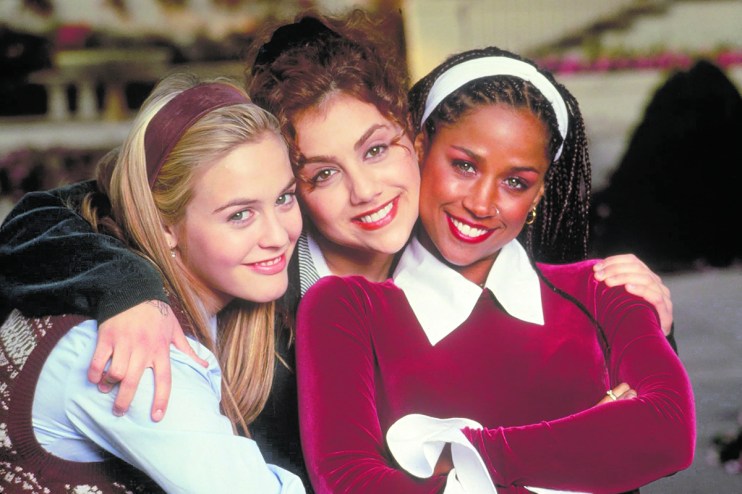
30 years on, there’s a lot we can learn from Clueless about marketing. In particular, the power of the clique, writes Essence Mediacom marketing expert Nick Palmer
In the 30 years since Clueless hit the big screens, Paul Rudd may not have aged a day, but a huge amount about our culture and how we interact with each other has changed. The film was ahead of its time in so many ways – not least, Cher’s AI virtual wardrobe assistant – but, based as it is on Jane Austen’s Emma, written almost 200 years ago, there are also timeless truths about human nature to be found. And in those truths there’s a lot to learn for businesses, and, in particular, marketers, around how to connect with people: above all, the power of the clique.
As shown in the iconic film, humans are naturally drawn towards cliques or, put less cynically, like-minded communities. We seek belonging, finding it in shared interests (and those who can persuade others tend to do better and achieve more… think Cher talking her way out of a C grade).
Many who rewatch the film may feel a rush of nostalgia for the distinct high school groups depicted in the film. There’s the popular boys (“the only acceptable boys to date”), the skateboarding pot-heads and the side groups, like the ones whose life is the school TV Station. In the UK, many of us will remember our local parks covered in a sea of black as the ‘emo’ craze took hold in the early 2000s. When I was at school it was the first wave of pirate radio, DJs and garage music. But the significant changes in media since Clueless came out in 1995 have significantly expanded the scope and scale of such communities.
The power of the clique since Clueless
Today, our communication opens us up to the world. When I grew up, friendships were mostly limited to those people we actually met – neighbours, schools, clubs. But today, community is formed online as much (if not more so) than in real life. A recent study has shown that Gen Z are more likely to feel connected to communities online than people that share a physical location with them. Everyone and anyone can find a niche community they connect with. Social media may have started as a way to keep in touch with our friends, and has since been plagued with many negative consequences, but its ability to connect people in disparate locations around the things they care deeply about is one of the positives.
For marketers, though, this means a rethinking of how we approach demographics, in particular the tendency to paint them with broad strokes: ‘Gen Z love this’, ‘millennials don’t want that’. In the age of social media, these demographics can fall into a million meaningful subcategories.
Rich sub-communities form around the most specific of topics, from the nuance of football tactics (guilty) to specific NPCs (non-playing characters) in a given game. Even very niche trends formed in online communities can become real-life phenomena. Look at ‘Pose 28’ – if you’re over the age of say, 13, and don’t have children in that age group, this may mean nothing to you. But it’s a specific pose from a game called Dress to Impress on Roblox, which Gen Alpha players now use in the classroom and the content they create.
Tapping into the niche
What’s especially interesting is that we can all be part of these communities with as much or little anonymity as we prefer. Gone are Cher and Dionne’s Bronson Alcott High School days where how you looked said everything about who you are. People are able to experiment, to chop and change. Where once a goth trying to become the jock might have drawn criticism on the playground, today we can simply present as the person most relevant for the community we are a part of. Admittedly this anonymity comes with some drawbacks, but it can also be liberating.
Cher today would be able to discuss her style views with the best informed, most engaged fashion communities from all over the world. She could also exercise that well-honed wit and conversational genius in debates online. This, with her masterful grasp of pop-culture, might have made a hero out of her on Reddit. Meanwhile Christian could be part of a vibrant online LGBTQ+ community connecting him with like-minded people across the world. Josh might even have been able to use a dating app to find a girlfriend outside the confines of his own home.
Businesses looking for breakthrough ideas in their marketing and comms need to prevent their own Cluelessness from holding back their potential, just as Cher discovered. It’s time to stop seeing demographics as the kick off point for talking about customers and start tapping into where culture today starts: in niche, impassioned online communities that exist at scale.
Nick Palmer is global head of creative transformation at Essence Mediacom