

Are you asking the right questions about your building’s energy usage?
Businesses are finally asking the question – ‘how much energy are we using, and how can it be reduced?’. It seems the energy crisis, however you view it, did have one upside.
I say ‘finally’ because I’ve been waiting a long time for this. Having spent 30 years in building services, selling energy saving control systems for things like air conditioning, lighting, and heating, it comes as a relief that building owners and tenants are finally engaged.
The argument for energy savings was always tricky when prices were low and fairly stable, as capital invested into the main business process would gain better returns than that invested into energy savings.
But thanks to the recent instability and rocketing prices, the tide is turning. And it’s not just the energy crisis – young people are now demanding strong sustainability credentials from their employers, and employers are under increasing pressure to comply with ESG regulations. So businesses, both small and large, are engaging with energy demand for all sorts of reasons, and so they should!
The when, where and why of energy management
There’s a bit of a problem though – energy management is fairly new to many people, which means that the wrong questions are still being asked.
Companies need to stop asking ‘how much energy are we using?’, and start questioning ‘when, where and why are we using energy?’. By doing so, they will benefit on three main levels:
- Understanding how buildings are actually being used
- Explaining energy usage across a portfolio
- Maximizing all-important cost savings
- Understanding how your buildings are actually being used
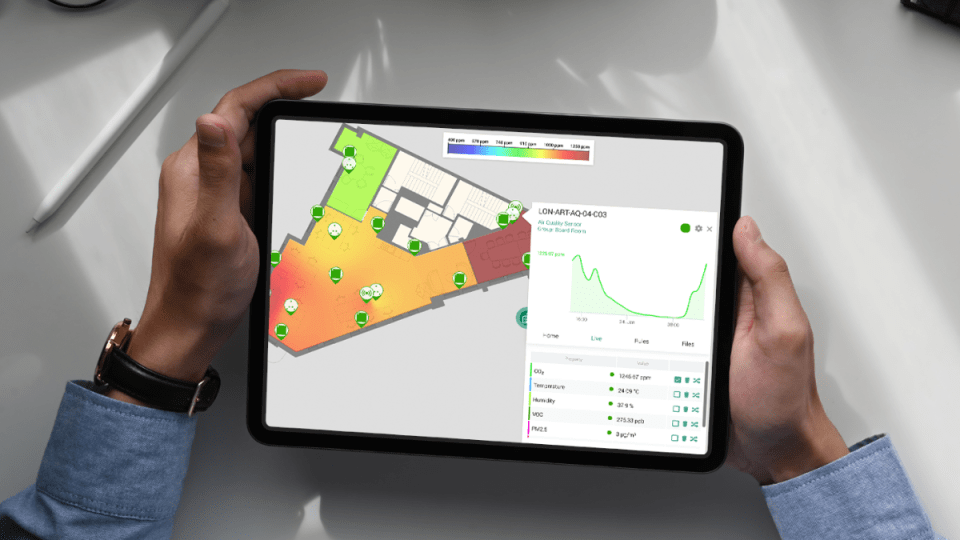
Firstly, asking the right questions will help make sure businesses are focused on understanding how buildings are actually being used.
Post COVID-19, we know that the Tuesday, Wednesday and Thursday bell curve of office use is prolific, but the majority of buildings have not been reprogrammed to respond to the way they are being used. Control systems still assume spaces are fully occupied from 8am to 5pm, Monday through Friday, when this is definitely not the case most of the time.
Without context, raw energy data is meaningless and could send you on a wild goose chase when looking for savings. So you can’t just measure your energy usage – you need to measure your building use too, and there are many metrics for that, which I’ll get to later in this article.
- Explaining energy usage across a portfolio
Secondly, by understanding why, where and when you use energy, you can start to justify it.
The fact of the matter is: sometimes you need to use energy. But here’s the thing – the ‘E’ in your ESG report doesn’t have to just show savings, it can show reasons too. For example:
‘We used a lot of energy at our headquarters as it’s the location of our manufacturing processes and is critical to the business function. The growth we have seen has meant longer run hours for manufacturing and increased staffing levels, with our offices at 65% capacity, 7 hours a day. In other locations, we have been able to make great savings, such as etc.’
If you really understand the why, where and when, you can stand by these statements.
- Maximizing all-important cost savings
Lastly, and certainly not least, having a better understanding of energy usage helps to maximise your savings, and gain a whole load of other benefits, including:
- Maximising your space utilization
- Reducing your estate’s physical footprint
- Reducing maintenance costs
- Focusing investment where it will have the most impact
Once you understand not only the square footage and kWh usage, but also the occupancy levels, weather data, equipment use, energy usage by discipline (how much is attributed to lighting or heating for example) and maintenance costs, you can make proper, data-driven decisions about how, where and when to save energy.
By doing this, you will also increase business resilience and put value straight onto the bottom line of the business.
Getting your hands on the right data
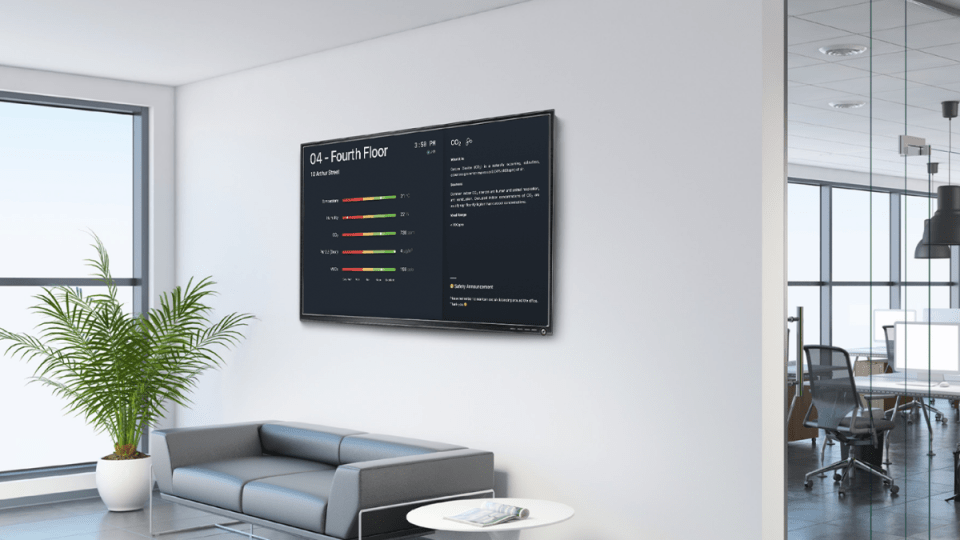
Capturing the data you need is now more affordable than ever, with sensors and data aggregation platforms often paying for themselves within 12 months.
You can monitor people in and out through doorways, desk occupancy (down to the individual desk), hours run on HVAC (heating, ventilation and air conditioning), and clamp the power supplies to measure granular energy usage with simple, low cost, wireless sensors. That data can be aggregated in easy to navigate cloud-based platforms and analyzed through simple dashboards.
Installation of this tech doesn’t need to be difficult either. With the majority of sensors using the latest low power radio technology, they last up to 10 years between battery changes, and the signal can go up to 10km (line of sight). This means no cables to pull and no power requirements, you can just stick them on the wall or ceiling and reap the rewards.
So, there are no excuses – it’s time to start asking the right questions about your building’s energy usage, and getting your data aggregated and reported on.
If you want to have a chat about getting started, speak to an expert in the Metrikus team.