
Are super clubs dead?

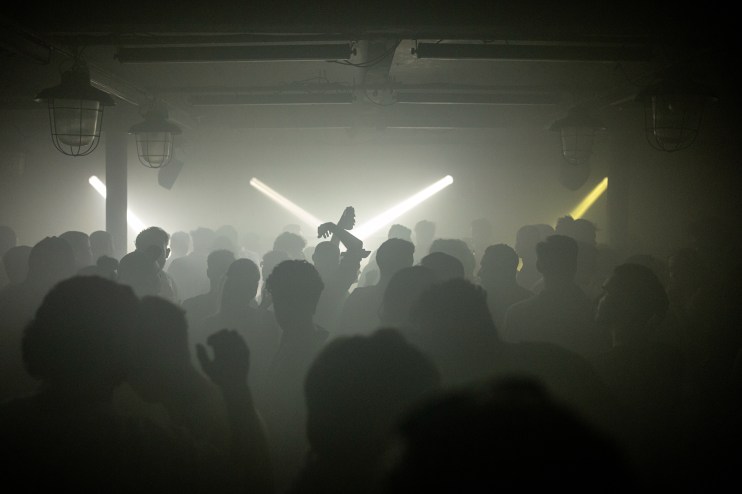
With young people now opting for smaller, cheaper and more intimate venues, the days of the super club look numbered, writes Sacha Lord
This week, agents, managers, DJs, bookers and promoters all head to ADE, the Amsterdam Dance Event. Five days of networking and moulding the next 12 months of clubbing.
With nightclubs facing extinction by New Years Eve 2029 if we carry on with the current rate of closures, it’s the most concerning time that I can remember for the sector – and I’ve been in the industry for over 30 years.
Having founded and created The Warehouse Project and Parklife Festival, I’ve seen trends and clubs come and go, but there’s one in particular that currently stands out: the decline of the super club. And, from what I’m hearing, rising out of the ashes is the return of the smaller, more intimate venue.
I’ve heard of large scale events being cancelled and removed from websites without explanation, postponed or downscaled back to fit into smaller rooms due to ticket sales just not being like they used to be.
I’ve been mulling over the reasons why and it appears to be completely multifaceted.
Why are Gen Z turning away from clubbing?
The obvious reason is the current cost of living crisis. With large scale events, once you’ve factored in your ticket, booking fee, taxi there, taxi back, drinks before and after, you’re looking at the best part of a hundred and fifty quid. Which kids have that as disposable income these days?
Add to that the health consciousness of young people today. Gone are the days of six pints, tequila shots and a kebab home on the night bus; these days one out of every five under the age of 25 don’t drink alcohol at all.
I also believe lockdown had a huge part to play in this social shift we’re witnessing, with a generation of clubbers-to-be instead sat in their bedrooms for 18 months, becoming addicted to platforms like Tiktok, when they otherwise would have been partying.
I remember reopening after lockdown, mid-festival season, with many festivals having correctly chosen to push their events back to later on in the year. We all sold out within minutes; we’d never seen anything like it before. But the years that followed showed that it was short-lived, with only the strongest like Glastonbury, Creamfields, Leeds and Reading still performing very well.
But it’s more than money and alcohol driving the decline of the super club.
Queues, ticket costs and boring line-ups
When I was writing this, I put a video up on my Instagram story asking for feedback. My ask was simple, why are you now choosing to go to the smaller, more intimate venues, rather than the big scale, larger capacity ones that you used to go to. My inbox was completely inundated with complaints that were repeated over and over again.
Overwhelmingly, it did have to do with cost. Compared to the smaller clubs charging on average around £15 entry, the big scale clubs, once you’d paid your booking fee on top, were charging up to £55. It didn’t stop on entry fee either, with most saying drinks were far cheaper in the smaller venues too.
The other gripe was that people have had enough of queuing. An hour to get in. Thirty minutes for the bar. Twenty minutes for the toilets. When you add it all up, you’ve paid your £55 to spend most of the night in a queue, probably having missed your favourite DJ and lost your friends in the process.
A surprising response was people are getting bored of the same old line ups year in and year out. Events booking the same superstar DJs every year seem to be wearing thin on partygoers. This was even reflected on the numbers clubbing in Ibiza season just gone.
It’s time for the new blood of artists to come through: the new Calvin Harris, the new Jamie Jones or the new Carl Cox. They are the ones now playing in the smaller venues. They are the future.
Further feedback that won’t surprise anyone is fatigue with social media. I’ve been banging on about this for years: put your phones away! We’ve all seen it, the headliner takes to the main stage, the lights go down, the music is lined up for the huge drop… but instead of a room full of swaying arms, all lost in the moment, it’s as flat as a pancake – replaced by a sea of phones with their torches on.
For many, it’s no longer about the DJ or the music, it’s about the amount of likes you want the following day on Instagram or Tiktok. Many of the smaller venues are banning photos now by placing stickers on the camera on entry, a great initiative thought up in Berlin and first adopted in the UK by Fabric.
Is this the return of nineties club culture?
So what does this all mean?
I actually think it is positive. For many years, the super clubs have overshadowed the smaller venues and controlled the narrative. Now the tables have turned.
Some of the best venues in Manchester now are small and intimate: Loft, Joshua Brooks, Progress Centre and Amber. London has some cracking gems like Village Underground, Phonox and Fold, to name a few, too.
It’s not about endless LED screens, over-powering stages, pyrotechnics, lasers and one hour sets, with up to 40 DJs crammed into just one night. These are venues where it’s just about the music, just about the DJ. These places allow the DJ to take you on an all night journey, dance with your friends and lose yourself. It’s almost like we are clubbing back in the nineties again.
This isn’t the end of super clubs though. They will be back, with fresh new artists and fresh new promoters, all being cultivated in these intimate venues as we speak.
My dancing shoes may be hung up, but I’m excited to see the new dance generation flourish.
Sacha Lord is founder of The Warehouse Project and Parklife, former night time economy adviser to the Mayor of Manchester, chair of NTIA and author of Tales From the Dancefloor