
‘An awful lot to play for’: Google lobbies EU for a softer Digital Markets Act as final changes made

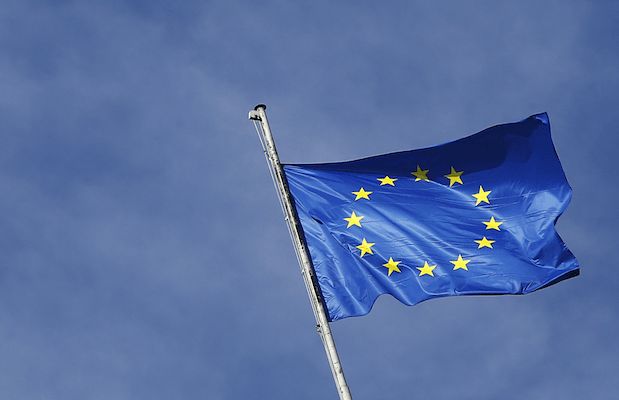
Google is in the process of nudging European Union officials this week in a last minute effort to influence the impending Digital Markets Act (DMA).
Alphabet, parent of the search engine, is aiming to weaken elements of the law that could impact trade, and a “Google insider” told The Financial Times that a flurry of social media posts related to the laws demonstrate that Google HQ are finally “waking up” to the potentially huge impact to business.
The proposed regulations, due to come into force in 2023, are intended to improve competition in digital services by curtailing the power of “Big Tech gatekeepers”.
It comes alongside a general push by governments around the world to clamp down on search, retail and social media firms whose platforms are accused of having monopoly positions.
There is a concern that Silicon Valley firms, like Meta and Google, have an unwieldy control on the success or failure of other businesses who rely on their platforms for business.
Impact of DMA
Christian Ahlborn, Global Head of Antitrust and Foreign Investment at law firm Linklaters, explained to City A.M. why the law has attracted “unprecedented levels of attention”, and sparked so much concern for tech.
“The DMA appears to have momentum behind it, with the Council and especially the Parliament pushing, if anything, for more stringent rules than the Commission’s original proposal, and there seems to be a strong political desire to wrap it up during the French presidency of the EU”, he said.
The new proposals look to impose obligations on US tech giants to allow third parties to co-operate with their services in certain situations and not to prefer their own services in ranking.
In theory, this will allow more competition within the space, and allow smaller players to have greater control and autonomy.
Ahlborn explained that there are three core reasons why the DMA is so revolutionary in the tech world.
The first is that the rules threaten to impose “commercially painful changes to the business models”, which will impact almost all of the largest digital platforms.
Margrethe Vestager, the European competition commissioner, has been on a mission to give a “chance to smaller businesses”, and the new proposals open the way to disrupt the status quo.
This has caused such concern thatThe Financial Times reported earlier this week that Google’s campaign included direct lobbying as well as Google-funded trade associations.
Google’s argument is that the new rules will harm rather than benefit smaller businesses, making it ultimately harder to reach customers.
For instance, with a proposed ban on targeted adverts, there are fears that it could lead to more pop-up windows asking for consumers’ consent, limiting the flow of customers for smaller firms.
The second point Ahlborn makes is that once the rules come into force, it will be near on impossible for companies to limit the scope once they are in place; he explained, “the rules are pretty black and white”.
Hence, it is no surprise that according to the EU’s transparency register, Google invested about €6m (£5m) in lobbying-related activities in 2020 to try and limit the momentum.
Finally, it is understood that once the DMA is passed, it may set the global standards for digital platforms, meaning that its scope is far wider than just the EU.
Christel Schaldemose, a Danish member of the European parliament, has already come out to say that it has potential to bring “tech regulation into the 21st century”.
Ahlborn agreed and said “there is an awful lot to play for” for the EU, as well as the tech giants trying to curb the law.
What happens next?
The first round of inter-institutional negotiations (trilogues) took place this week, covering an initial presentation of the negotiating teams and their respective positions, similarities and differences.
It is understood hear the next trilogues are tentatively scheduled as follows:
- 15 February, covering an exchange on contentious points. Further intel on the content of the trilogue will follow.
- 29 March, aiming to reaching political compromise before the French national elections – a key priority for the current French Presidency of the Council.
Some voices in Parliament have commented that this timeline is very ambitious. In case further rounds of negotiations are needed, additional trilogues have been tentatively scheduled for 5-6 April and 2-4 May.
The DMA will only be adopted only once trilogues have concluded with a political agreement, which is then endorsed by the European Parliament Plenary and by the Council of the EU.
This will be followed by the publication of the legal act in the Official Journal (OJ) of the EU. We can expect the new law by June/July.