
Advertising Association chief: Why banning sugary food advertising won’t tackle obesity

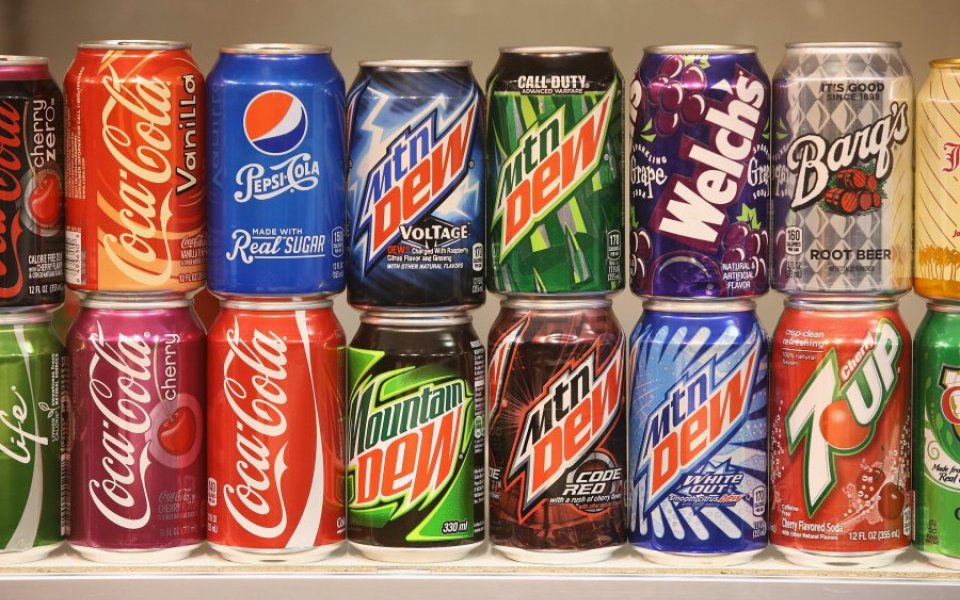
Ministers were urged to impose a “sugar tax” and crack down on the marketing of sugary products to children in a Public Health England (PHE) report, published in October. Since then, many have questioned whether tougher regulation of marketing would really help to tackle childhood obesity, and whether UK advertisers should be made the whipping boy for a health problem.
“Governments prefer when markets can regulate themselves,” says Tim Lefroy, chief executive of the Advertising Association. “And it is important for advertising that we are seen as acting responsibly. Comprising more than 30 trade associations which represent advertisers, agencies and media owners, the Advertising Association promotes advertising’s role, rights and responsibilities, principally to the government. Lefroy tells City PM why there are better alternatives to advertising bans.
Why is advertising so important for the UK?
We tend to think of advertising as an activity, rather than an industry. The boundaries which separate an advertiser, publisher, airline, bank or retailer blur very quickly. Waitrose is a publisher, for example. So when you look at it that way, you can understand how important advertising is, and why, according to Deloitte, there is a £6 return to GDP for every £1 spent on advertising. And there are critical by-products for the media, music, sport and culture. The Advertising Association exists to foster the public’s trust in advertising, and an important part of that is acquiring political trust.
Advertisers are trying to achieve a competitive differential. And consumers benefit when prices are driven down by competition. We all get more innovation and more choice. So if you believe in capitalism, you believe in what we’re doing. We don’t actually discuss John Lewis’s Man on the Moon very much.
Where do you stand on Public Health England’s calls for tougher restrictions around advertising sugary foods?
We think there are better routes for the government than advertising bans. The problem is, when it comes to tackling problems like childhood obesity, the government doesn’t have many options. It can choose to tax, or to regulate advertising and the retail sector. And advertisers’ heads are above the parapet.
There is certainly a disconnect between the weight PHE placed on its recommendation to significantly reduce the marketing and advertising of high-sugar food and drinks and the impact such a measure would have. McKinsey only ranked media restrictions as twelfth on its list of effective interventions for overcoming obesity. And that approach would be nothing compared to what could be achieved if the government worked with UK advertisers.
Do you find that government is open to advertising’s desire to self-regulate?
Conservative governments are traditionally considered more business-friendly, and Labour governments more suspicious of advertisers. But historically, the latter have spent more on advertising to tackle issues like drink-driving and stroke awareness, which is better for media owners and agencies. But they have also been more likely to intervene in regulation.
Ultimately, advertisers want to be seen to change in line with social mores. The Advertising Association had started working on a package around sugar before the government even knocked on our door. We should have abandoned tobacco much earlier, but we have taken steps to make advertising more progressive in areas where there is no regulatory threat, like black and ethnic representation and the size of models. And voluntary co-operation with government is what we’re proposing for the obesity strategy. It should be about negotiation, not regulation.