
From Abramovich to the Saudis: Football clubs have become the laundry for muddy reputations

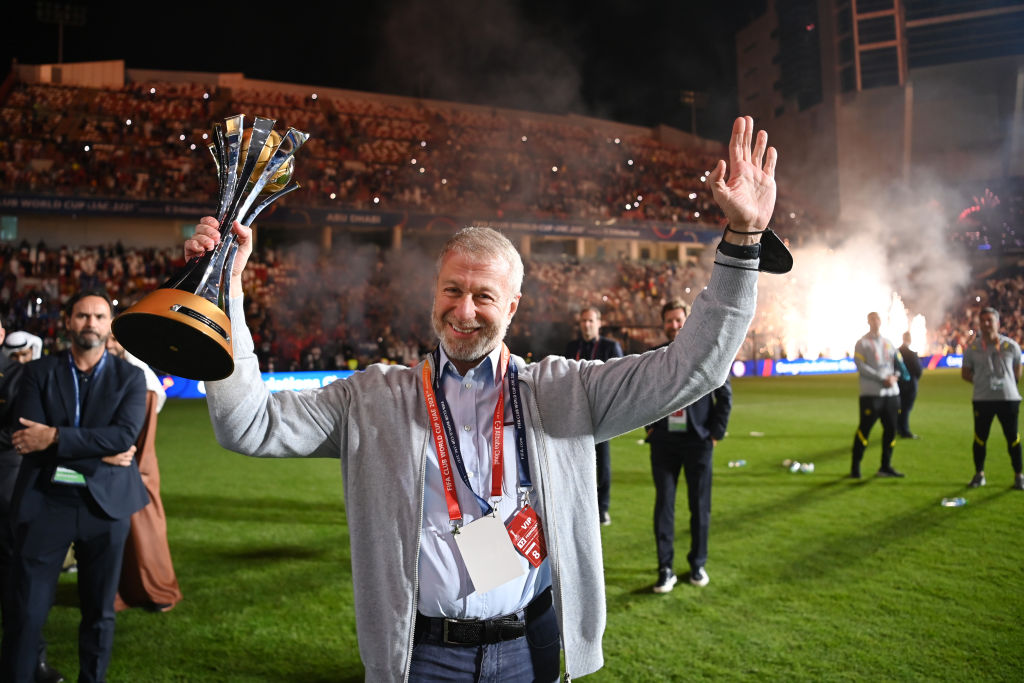
In 2003, Roman Abramovich bought Chelsea Football Club. In the years thereafter, a perennial underachiever became one of the most successful clubs in English football, a five-times Premier League champion and twice winner of the Champions League, the pinnacle of European football. Today, they are the reigning European and world club champions.
Results on the pitch have not been matched off it, however. Abramovich’s investment has been, in financial terms, dreadful. In the past eighteen years, the club has oscillated between razor thin profits and gaping losses. In the process, Abramovich has had to lend the club some £1.5bn, none of it repaid.
Chelsea’s story is not exceptional. It is the rule in English football. Football clubs have consistently proved to be a terrible investment. Across the Premier League, total net debt now stands at over £3.5bn according to Deloitte.
Despite that, there seems to be no end of would-be investors. If you want to understand why, you have to look beyond the balance sheet.
The most forgiving view would be to see a football club as an extravagant luxury. First, you earn your billions. Then comes the yacht and the private jet. Finally, you buy your football club.
But while displaying your wealth may be part of the story, it isn’t all of it. Buying a football club gets you something else too. Club owners command respect and admiration. For some, rehabilitation too. For those whose reputations are the muddiest, football clubs are a laundry service. In this case, a loss isn’t really a loss. It’s an investment in scrubbing your past clean.
If you think this couldn’t possibly work, consider the recent case of Newcastle United.
For years, Newcastle fans railed against their previous owner, Mike Ashley, the founder of Sports Direct. At the time, their anger seemed righteous. Not only was performance at the club poor and investment anaemic, Ashley was a stain on a storied club’s reputation.
Working practices at Sports Direct warehouses were the subject of shocking exposés. In 2017, Mike Ashley was taken to court and lurid details emerged about how he conducted business, gleefully reported in the press.
Ashley was said to hold business meetings in pubs, challenge junior staff to drinking competitions, and – on one extraordinary occasion – vomit twelve pints into a fireplace. His management team were said to have cheered at that one. Newcastle fans surely blushed.
Given their outrage, you might have expected some concern when Ashley finally announced he’d sold the club this year. The buyer, after all, was the Saudi Public Investment Fund, an arm of the Saudi Arabian state, the recent recipient of international opprobrium after the murder of the dissident journalist, Jamal Khashoggi.
The fans didn’t care a jot. When the deal was announced, they flocked to St James’s Park, Newcastle’s stadium, not to protest the new ownership but to support it. Many donned headscarves in tribute.
It is often said that football is a ‘results business’. It certainly seems that little else matters much. The beautiful game rewards profligacy and most fans don’t much care how sordid the source of your funds.
The top four clubs in the Premier League today – Manchester City, Liverpool, Chelsea and Manchester United – are the same four clubs as those with the highest wage bill. Last year’s winner, Manchester City, spent £580m on players’ wages and bonuses. The 83 goals they scored that season therefore cost their Emirati owners £7m apiece.
Few business people in serious hope of a financial return would invest the funds necessary to succeed. That leaves football to those who are performing a different calculation. There may remain the odd wealthy hobbyist. But amongst their number are those for whom investing in a football club is a form of reputation management.
This week, Roman Abramovich announced he will sell Chelsea, fearful of sanctions that could strip him of his assets before he can sell them. His departure, however, is no victory for football. Look carefully at who buys the club next. Football’s sickness is far greater than one man.