

The $64 trillion question

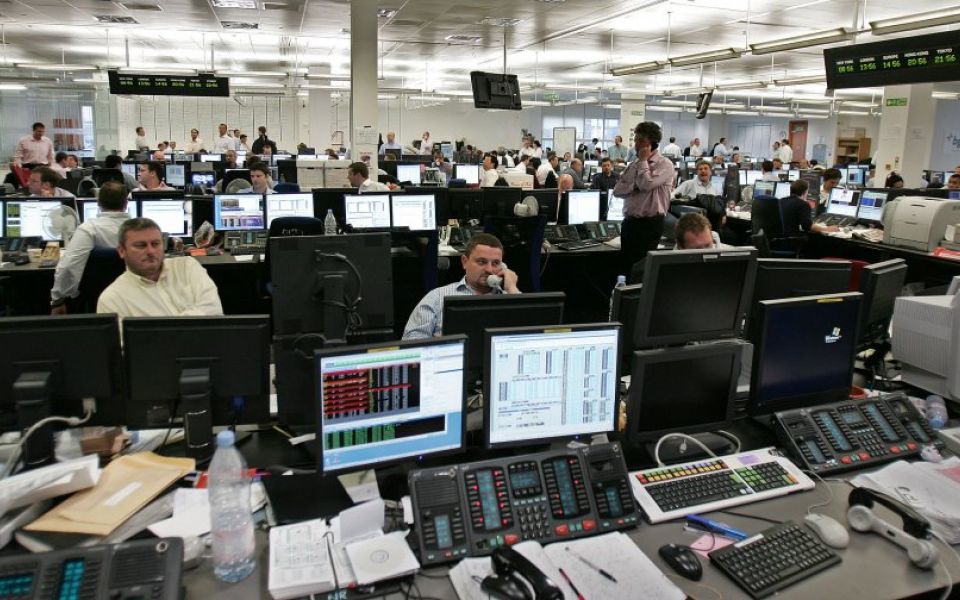
How much longer the stock market rally can continue has become the $64 trillion question. For a growing number of market observers, there’s a simple answer: not much longer at all. Markets, they argue, have becoming increasingly detached from economic fundamentals, particularly in Britain.
It’s thirty years since Black Monday and while few would suggest we’re due a repeat of that day, a correction could well be on the cards.
It shouldn’t come as a huge surprise that some have made comparisons to Black Monday, either. In Britain in 1987, global markets were enjoying a 5-year rally after a recession, credit was easy to obtain, house prices were rising and investors were confident.
Fast forward 30 years and things look not entirely dissimilar. That’s led many to conclude a correction is due, particularly for those who see the global rally as being largely fuelled by quantitative easing, i.e. a castle built on sand.
The question is how a potential correction might occur. No-one wants a short, sharp shock, like last time, the impact of which would reverberate around the world. But central banks have begun holding back the medicine.
The Fed has finally started the gargantuan process of unwinding its $4.5 trillion of quantitative easing, which should ultimately mean less money flowing into equities and more back into bonds. But it will, necessarily, be a painfully long process.
The European Central Bank is also reportedly considering starting a similar process, planning to reduce its €60 billion monthly stimulus to €30 billion a month from January.
Addicted to QE
Here in Britain, meanwhile, the Bank of England has given no indication as to when it will act, partly because the economy continues to grapple with the uncertainty caused by Brexit.
Those critical of QE argue markets have become addicted to it and it’s true enough that money has flowed into equities that would otherwise have gone into bonds.
German two and five-year bunds still offer negative yields, while US two and five-year treasury yields are so low that anyone looking for growth has had little choice but to look elsewhere.
That, in itself, is leading to company valuations that could be described as excessive. It’s also leading to over-reactions to negative news. Many traders, to use the vernacular, have got the jitters.
In Britain, for example, advertising giant WPP saw 10% wiped off its share price in one day in August after it said like-for-like revenue growth would be between zero and 1% in 2017, despite warning about the impact of social media on its business for several years.
Another British firm, Dixons Carphone (still feels like it needs a Warehouse), saw its share price drop 30% in a day this summer after pointing out that consumers were upgrading their phones less often.
Surely a bit of an over-reaction? And yet it is reactions like these that are giving some cause for concern. If companies can lose 30% of their value in a day after a slightly disappointing market update, how might markets react to genuinely bad news?
While the FTSE 100 has seen investors pile in over the past year or so, thanks to the devalued Pound on the back of the Brexit referendum, what would happen if those negotiations collapse without a deal?
We all hate clichés but they exist for a reason. There’s one that says what goes up must come down. With current global markets at record highs most will hope that when they do fall back they do so gradually, steadily and slowly. The fear is they bomb fast and hard.