Skip to content
City PM
  • Germany
  • France
  • Europe
  • Markets
  • Business
  • Opinion
  • Germany
  • France
  • Europe
  • Markets
  • Business
  • Opinion
Friday 26 February 2016 2:56 am  |  Updated:  Wednesday 04 August 2021 2:29 pm

BT Openreach ruling: Has Ofcom done enough to ensure broadband competition?

By: City PM Contributor

Add as a preferred source on Google

Dana Tobak, managing director of Hyperoptic, says Yes.

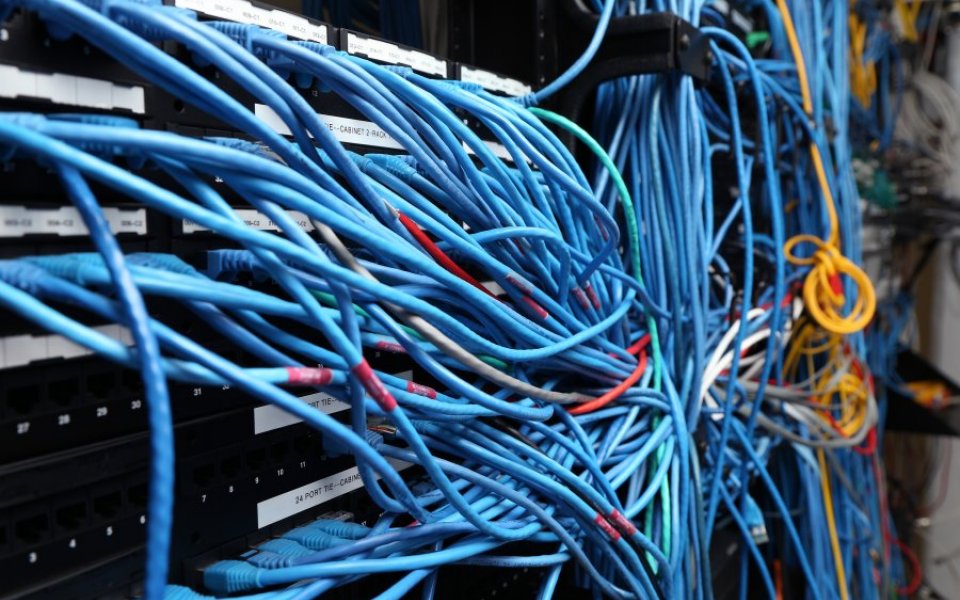
Yes – for now. Ofcom has rightly focused on the key areas of change required to promote investment in fibre and to support true product competition for consumers. By keeping structural separation as the potential “naughty step”, Ofcom has ensured that Openreach should be compelled to partner in the use of its ducts rather than reluctantly offer access through a series of long, complicated, and costly processes. We welcome the promise of better consumer education and the opportunity to contribute to Openreach’s decision-making and the universal service obligation solution. So the question is not whether Ofcom has done enough, but whether BT will do enough to respect its potential in supporting the UK’s digital future, rather than just to eek the last remaining pounds out of its ageing copper network and all its customers. The verdict is clear that it’s not done enough to date. Ofcom needs to act swiftly in bringing its recommendations to fruition to fulfil the promise of its strategy.

Daniel Mahoney, head of economic research at the Centre for Policy Studies, says No.

Ofcom has rightly drawn attention to the anti-competitive nature of the UK broadband infrastructure market, but it should have done more. The current set-up gives BT Openreach an incentive to make broadband infrastructure decisions in the interests of BT, rather than other companies using Openreach’s infrastructure. And Ofcom has, like so many regulators, chosen to duck the main issue: should BT Openreach, as a quasi-monopoly owner of the essential infrastructure used by its competitors, be separated from BT (which through BT and EE competes directly with other broadband providers)? An analogous situation would be if Eddie Stobart owned UK motorways, which it then charged its competitors to use. The regulator must now set clear milestones so that, if greater competitiveness does not emerge within the next 18 months, structural separation becomes the default option – not least as BT and other service providers have argued that the current uncertainty could be bad for investment decisions.

Share this article

  • Facebook
  • X
  • LinkedIn
  • WhatsApp
  • Email

Similarly tagged content:

Sections

  • Opinion

Categories

  • Opinion

Trending Articles

  • Reeves’ new tax charge on cash ISAs faces fierce industry backlash

  • As it happened: Stocks recover after markets rocked by tech-sell off; US claims ‘good foundations’ of Iran deal

  • Revealed: Secret Treasury plan to tax State Pension before it is paid out

  • Burnham’s new chief of staff ran City firm advising Thames Water and rival Heathrow bidder

  • As it happened: FTSE 100 scrapes into green after Segro’s surge; Oil at pre-war levels after Trump snaps at industry

More from City PM

  • ‘Protecting children is right’: Starmer takes on Big Tech with social media ban for under-16s

    Politics
    Keir Starmer speaks in Downing Street
  • Royal Mail boss pay soars to £7m despite profit slip

    Transport & Infrastructure
    Royal Mail delivery van outside a postal depot, representing the £21m fine by Ofcom for late mail deliveries.
  • Bluesky bets on the end of X and Meta’s social media grip

    Tech
    Elon Musk owns X
  • Social media ban may push children to ‘darker corners of the internet,’ lawyers warn

    Legal
    Australia's policy, which came into force in December and bars children under 16 from major platforms including Tiktok, Instagram, Snapchat and X.
  • VPN demand rockets as UK prepares for under-16 social media ban

    Tech
    Getty Images logo on a digital screen, symbolizing media and photography industry presence in news and business contexts
  • Forget Palantir, Microsoft is the government’s real tech problem

    Opinion
    At the centre of Microsoft’s pitch is the idea of agents - small, specialised AI systems trained to take on specific security tasks.
  • Wimbledon to stay on BBC as grand slam bucks paywall trend

    Sport Business
    Business professionals networking at a corporate event with modern office backdrop, engaging in discussion and exchanging ...
  • VodafoneThree enters race for TalkTalk customers with takeover bid

    Telecoms
    Vodafone CEO Margherita Della Valle discussing UK expansion strategy after £4.3bn Vodafone-Three telecoms deal at press c...

City PM — European politics, business and analysis.

Europe

  • Germany
  • France
  • Europe
  • UK & Ireland

Topics

  • Business
  • Markets
  • AI
  • Technology
  • Opinion
  • Energy

More

  • Politics
  • Economics
  • Fintech
  • Legal
  • Sport
  • Life

Company

  • About City PM
  • Contact
  • Terms of Use
  • Privacy Policy
  • Cookie Policy
© 2026 City PM. All rights reserved.
About · Contact · Terms · Privacy