
The UK’s trade deficit has widened again and London has to face up to the fact that competition for exports is getting harder

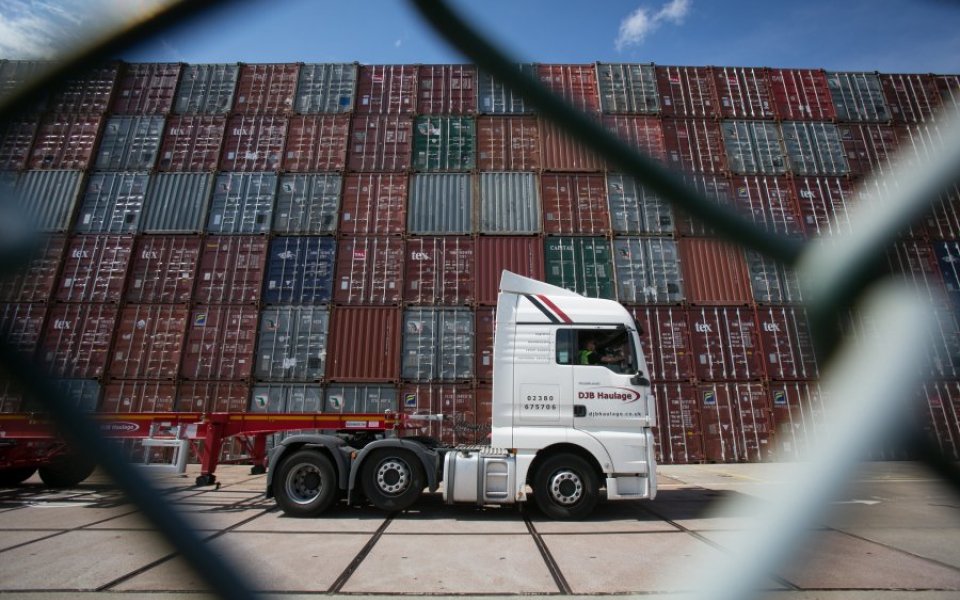
As an island nation, international trade has historically been at the heart of the UK’s national identity. However, over recent decades we have been losing ground and our share of world exports.
Figures released this morning by the ONS found that the UK trade deficit for goods widened yet again in 2015.
While there was a £8.1bn fall in exports of goods last year, it was offset by a £7.1bn rise in exports of services.
In 2013 London’s service exports were estimated to account for over half of the UK’s total, and a higher proportion of SMEs export from London than any other region of the UK. Current estimates put the value of London’s exports at £139.9bn a year, up from £60bn a decade ago.
However, the capital is facing growing competition, particularly in emerging markets, and our rate of increase of service exports is lower than other leading global cities.
A recent KPMG report (London and the Export Challenge) noted that 99 per cent of London businesses are SMEs and around 80 per cent of this population are not currently exporters, so there is huge potential to boost the local economy. Increasing exports will also help London build a more diverse profile of successful businesses, buttressing our economic resilience to future crises.
So what are the perceived barriers resulting in only one in five of our SME community pursuing their international ambitions?
For many SMEs venturing into exporting is accidental rather than a result of any conscious strategy. In the majority of cases, exports were a reactive approach to external factors such as receiving unsolicited orders from foreign customers or contacts telling them of new opportunities overseas.
There are several reasons that the majority of SMEs have this reactive approach to exporting such as not realising that their products and services can be sold abroad, or real concern about finding overseas business partners, access to finance, live opportunities, legal advice and the risk of not getting paid.
The report by KPMG concluded that the export challenge is too large for one organisation to single handily deliver and that in order to be successful agencies need to provide support that is cost effective, practical and relevant to SMEs. Proactive intervention from government, the private sector and the business community the report concluded, has to be the way forward.
In London alone there are many support platforms for SMEs looking to internationalise such as the London Business Growth Hub, UKTI and the Mayor’s Go To Grow programme launched this month. The Go to Grow programme builds on lessons learned from the Mayor’s Export Programme last year and will specifically target businesses from high growth sectors such as tech, life science and urban services who are at scale up stage. The programme uses peer-to-peer mentoring and private sector backing, to help London companies to scale up and internationalise. It is hoped that over the course of the three years around 800 high growth SMEs will increase their international business potential.
Exporting is not a journey that works for every business and comes with an initial fixed cost in the form of regulatory, commercial and financial challenges that aren’t there if you focus solely on your domestic market, so to concentrate on those high growth sectors that London is gaining increasing worldwide recognition for seems sensible.
In a changing global economy where digital and technological innovations are prevailing and disruptors are outpacing our established London businesses, it's important that our export strategy focuses on ensuring that businesses are equipped for the future and that its skills, goods and services continue to be demanded globally.