
Making the most of mobile: Fetch’s James Connelly talks the death of Crazy Frog and the land of opportunity

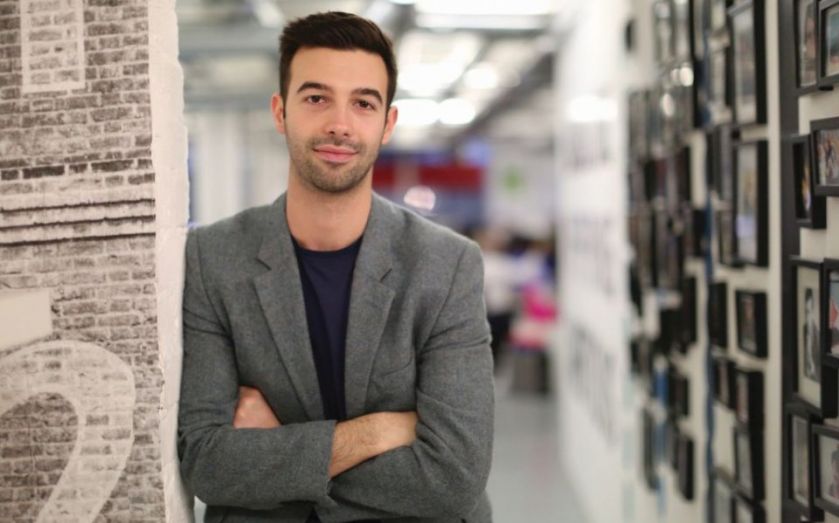
It is only after lengthy tenures that most marketing entrepreneurs feel ready to start their own agency. Fetch founder James Connelly took the plunge when he was just 23 in 2009. His mobile first agency was sold to Dentsu Aegis Network last year.
Connelly’s success is a testament to the indefatigable rise of mobile marketing. “We’re now spending more time in mobile apps than we are watching TV,” he says. He has transformed Fetch into a full service mobile agency with a presence in London, Hong Kong, Berlin, San Francisco and New York. He talks to City PM about founding an agency so young, and why adverts should be better tailored to mobile devices.
How did you get into mobile advertising?
Around 2007-8, I went to Australia to work for a mobile content business called Consumer First. I was selling ringtones in the very unglamorous Crazy Frog era, advertising that type of mobile content in lads mags, newspapers and on TV. But demand for that content declined with the financial crisis and the arrival of the smartphone. So I started to explore advertising on mobile, and I worked out that most agencies knew even less than me. I knew mobile advertising would become bigger as mobile became more important, and when I saw the iPhone for the first time on the front cover of Stuff, I was certain it was going to take off.
When I started Fetch, things went slowly. We were focusing on planning and buying mobile advertising but clients weren’t ready. They didn’t have an app or mobile site yet, so we needed to diversify into strategy to help them roll out their mobile products before they were ready to advertise.
That’s when we gained traction, winning business from Hotels.com and Polydor Records, working on the campaign for the Eminem and Rihanna record. It was a £20,000 contract and we thought we’d hit the big time. Now, we’d spend that in an hour for some clients.
Because I was young, I wasn’t afraid of failure. It wouldn’t have been disastrous to start a business at 23 and fail. The key to my success has been understanding my limitations. Most of the people in my company are smarter than I am. Any successful entrepreneur should be able to identify their weaknesses first, and find people – employees, partners, mentors – to support them.
Why has the US been so important?
We launched in San Francisco in 2012. I say that we launched there and not “in the US” because mobile advertising was so new and so reliant on technology, it was important for us to be close to the innovations of Silicon Valley and build relationships with tech firms. Not only did it allow us to provide better services to existing customers, but we ended up winning the likes of Facebook, Apple and Uber as clients – we’re their mobile agency, and that office is our biggest revenue driver annually.
The UK is ahead of the US in terms of adoption and usage of mobile. We were quick to pick mobile up, and we are the leading market in e-commerce and m-commerce. We evolve and adapt quicker, and innovate more, but the US is bigger, the venture capital is greater, and so is its ambition, arguably.
America’s business is about scaling and floating. In the UK, the aim is to grow a business and sell it. Obviously, that’s not always the case, but there’s a different mentality over there.
What’s next for mobile?
Mobile video is exploding and marketers need to become more conscious of creating the right type of video content useful for a mobile device. The 30 second TV ad doesn’t translate well when most ads are being played without sound and in portrait.
Location-based marketing is massively underused. We’re obsessed with trying to serve someone a coupon when they walk past a shop, but that’s not even scratching the surface. Its advantage is being able to understand more about your customer. Imagine if you served digital or mobile ads to an individual, and could then know if that customer has entered a shop to buy your product, not just purchasing it online. That depth of knowledge is fascinating.
Virtual reality is also exciting. Google Cardboard and the Facebook-owned Oculus Rift will immerse consumers entirely in a 3D experience, which offers huge potential for marketers.
Mark Zuckerberg has talked about using virtual reality to change the world for a second time. For me, that’s as exciting as when I first saw the iPhone all those years ago.