Skip to content
City PM
  • Germany
  • France
  • Europe
  • Markets
  • Business
  • Opinion
  • Germany
  • France
  • Europe
  • Markets
  • Business
  • Opinion
Tuesday 13 January 2015 4:38 am

UK inflation: Consumer price index falls to 0.5 per cent in December

By: Jessica Morris

Add as a preferred source on Google

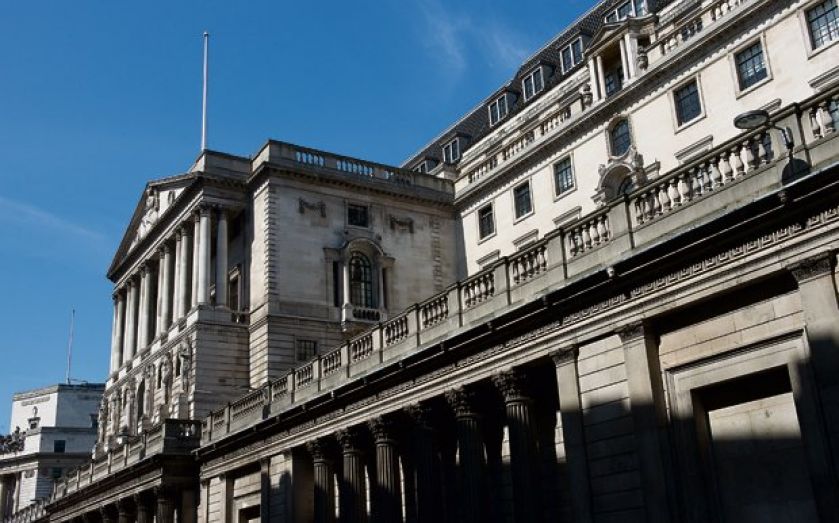
Crumbling energy and petrol prices dragged the rate of inflation to a joint low since records began in 1989, forcing Bank of England (BoE) governor Mark Carney to write an open letter to the chancellor explaining the fall.

The consumer prices index (CPI) rose just 0.5 per cent in the year to November, the Office for National Statistics said today. It's missed analysts estimates of 0.7 per cent, and the last time it slid to 0.5 per cent was in 2000.

The CPI tracks a basket of goods and services used by an average family such as bread, the cost of a pint or a holiday to Spain.

Sterling slid 0.5 per cent to $1.508 against the dollar nearing a one-and-a-half year low with investors unnerved by the fall. The 10-year UK government bond yield fell 5 basis points to 1.52 per cent which was the lowest since August 2012.

BoE governors are legally obliged to writer a letter to the chancellor if inflation strays more than one per cent above or below the two per cent target.

The last open letter was penned by then-BoE governor Sir Mervyn King in February 2012, when inflation soared above three per cent. No letter has been written to explain inflation falling below the one per cent threshold since the Bank's independence from political control in 1997.

The Bank of England had said inflation was likely to slump below one per cent in the near future. Carney has also warned inflation is unlikely to hit the BoE's two per cent target within the next three years, due to oil prices and the Eurozone's economic quagmire. 

"Mervyn King was fortunate in that he was able to 'look-through' years of inflation figures above three per cent, which compelled him to write reams of explanation to the Chancellor, because that was just a UK phenomenon," said Nick Beecroft, a senior market analyst at Saxo Bank.

"Carney has no such luxury with regard to sub-1 per cent inflation; it's a global phenomenon and threatens to de-rail recoveries unless nipped in the bud by aggressive central bank action," he said.

Some believe this could be so-called "benign deflation" – where low inflation merely reflects the slumping price of oil – which would leave most consumers and businesses better off.

"In the UK, lower prices driven by a fall in the cost of oil will provide a boost to the economy, and underpin domestic confidence and spending," according to the Institute of Directors. "By contrast, there are growing concerns about the situation in Europe, where deflation is being driven – at least in part – by depressed consumer confidence."

Last week it was revealed the Eurozone fell into deflation in the final month of 2014. Consumer prices slid into negative territory, with a -0.2 per cent year-on-year inflation rate.

This has further heaped pressure on European Central Bank governor Mario Draghi to start buying government bonds. It's hoped this will pump money into the Eurozone, boosting lending and driving growth.

Share this article

  • Facebook
  • X
  • LinkedIn
  • WhatsApp
  • Email

Similarly tagged content:

Sections

  • Markets & Economics
  • News

Categories

  • Business
  • Economics

Related Topics

  • UK inflation

Trending Articles

  • Burnham tax plans spark investor rush to bank capital gains

  • Brewdog chief executive quits after only one year

  • Housebuilding giants hit with £4.5bn lawsuit for allegedly overcharging buyers

  • UK ‘no longer a serious place’ says Hedge fund boss after losing £200m tax battle

  • Cruyff turn: Starmer allows pubs to stay open for England World Cup game

More from City PM

  • Bank of England chief economist ‘not trying to be a troublemaker’ on rates split

    Economics
    Chief economist Huw Pill said "consistency" was key to the Bank of England's quantitative tightening programme (Photo by: Graeme Sloan/Bloomberg via Getty Images)
  • London house prices fall as Bank of England rate hikes loom over mortgage market 

    Property
    Housing delivery in London is in a major crisis
  • Inflation stays below three per cent despite price warning

    Economics
    The Bank of England is expected to hold interest rates at four per cent due to stubbornly high inflation.
  • Record temperatures boost Sainsbury’s sales but store infrastructure feels the heat

    Retail
    In June, the grocer struck a deal for Natwest to acquire most of Sainsbury’s Bank.
  • Inflation expectations at record high in interest rates signal

    Economics
    Bank of England building on Threadneedle Street, London, showcasing its historic architecture and financial significance
  • As it happened: FTSE 100 see-saws after inflation undershoots; Oil at $80 as Trump threatens ‘dropping bombs’ on Iran

    Markets
    Donald Trump addressing media at a press event, wearing a suit and tie, with reporters and cameras in the background.
  • Housebuilding giants hit with £4.5bn lawsuit for allegedly overcharging buyers

    Property
    Luxurious London skyline showcasing prime real estate with modern skyscrapers under a clear blue sky
  • House price slump blamed on World Cup and heatwave

    Property
    Soccer players competing in the World Cup, showcasing intense action on the field with a stadium full of cheering fans

City PM — European politics, business and analysis.

Europe

  • Germany
  • France
  • Europe
  • UK & Ireland

Topics

  • Business
  • Markets
  • AI
  • Technology
  • Opinion
  • Energy

More

  • Politics
  • Economics
  • Fintech
  • Legal
  • Sport
  • Life

Company

  • About City PM
  • Editorial Policy
  • Corrections
  • Contact
  • Terms of Use
  • Privacy Policy
  • Cookie Policy
© 2026 City PM · Published by CityPM Media, Bahnhofstrasse 65, 8001 Zürich, Switzerland
About · Editorial Policy · Corrections · Contact · Privacy