
China meat scandal: Why consumers are turning on Western fast food brands

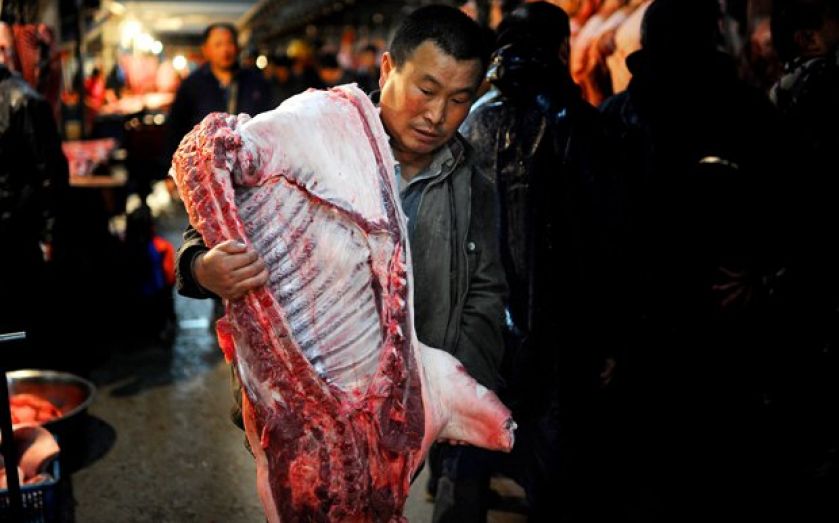
TRUST lies at the heart of any company’s reputation, but its importance is amplified when the product being delivered is food. This is the hard truth facing the likes of Starbucks, Yum Brands – owner of KFC – and other leading Western fast food retailers, which have all pulled products from their outlets, after allegations emerged that a local Chinese company had supplied expired meats to clients in the country.
But what does it mean for the global brands concerned? As last year’s UK horse meat scandal demonstrated, issues around food quality and safety can quickly escalate and have a lasting impact on consumer attitudes and behaviours. An Ipsos MORI survey of British adults published earlier this year showed that 95 per cent still remembered the scandal one year on, and as many as 31 per cent said it had changed the way they choose or buy food. Unsurprisingly in many respects, that reputational flak was targeted at the big customer-facing brands, with Tesco and Iceland experiencing a noticeable deterioration in their reputational standing.
And this can have a serious impact on the bottom line and future growth. Betrayal of trust is the fastest way to undermine a firm’s reputation and the standing of its brands. Our Global Advisor study of consumers around the world shows a clear connection between the level of trust people have in a company and their propensity to consider buying its products.
This should be of particular concern for Western firms seeking to crack the growing middle class market in China. The adulteration of food products has been an ongoing problem for the country. And as most previous incidents involved indigenous firms, the result has been a positive halo effect for Western brands – perceived to be more reliable and quality conscious than their Chinese counterparts.
This could now be at risk, and may even affect companies that haven’t been connected to this latest scandal. The consumer reaction has been vociferous, with the South China Morning Post quoting an online poll indicating that half of all Chinese consumers no longer trusted Western fast food firms. This has been followed by equally vociferous legal action against the supplier concerned.
So what can Yum Brands, Starbucks and the others affected do? From a reputation perspective, the answer depends on a number of factors including the frequency of the incidents, their severity, the degree to which an organisation is seen to be culpable in any given situation, and of course the level of reputational goodwill it has to begin with.
But the good news is that well-known brands, owned by respected organisations, should enjoy a degree of reputational durability. They should be able to draw upon a well of goodwill that gives them the opportunity to demonstrate that action has been taken and that things have been put right.
Indeed, the corporate landscape is dotted with companies that have recovered from reputation turbulence in the food industry (just think of Cadbury’s Salmonella scare in 2006). The ones that don’t tend to indulge in “gesture communications” and confuse words as a substitute for action.